
Commercial grounds are a contract problem, not a mowing problem
Most commercial landscaping goes wrong in the same quiet way. The bid looked fine. The scope was vague. Six months in, the beds are weedy, a crew missed two weeks, and nobody can point to the line that says they shouldn't have. The fix isn't a better mower. It's a clearer contract. Two things make commercial work its own job.
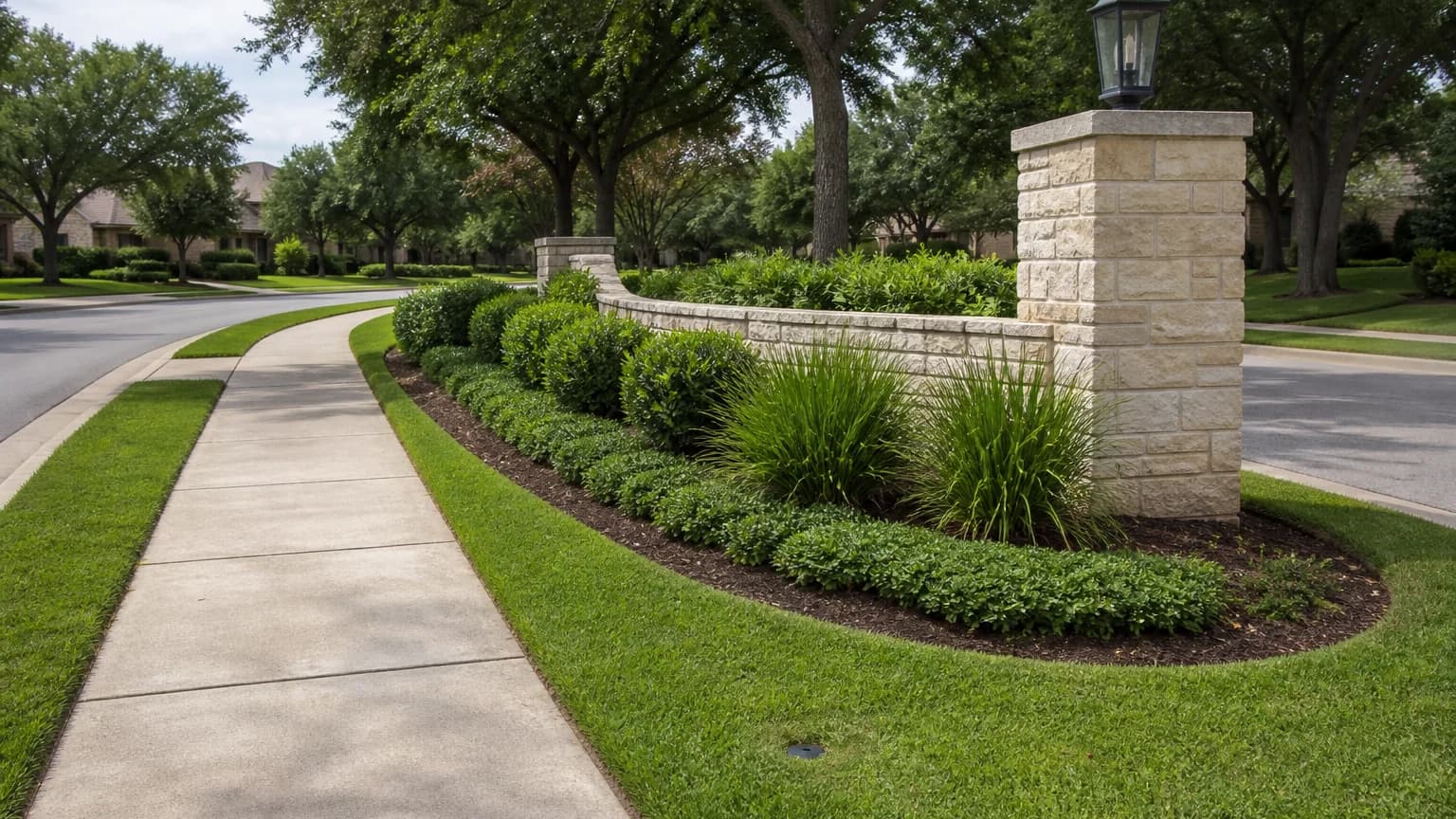
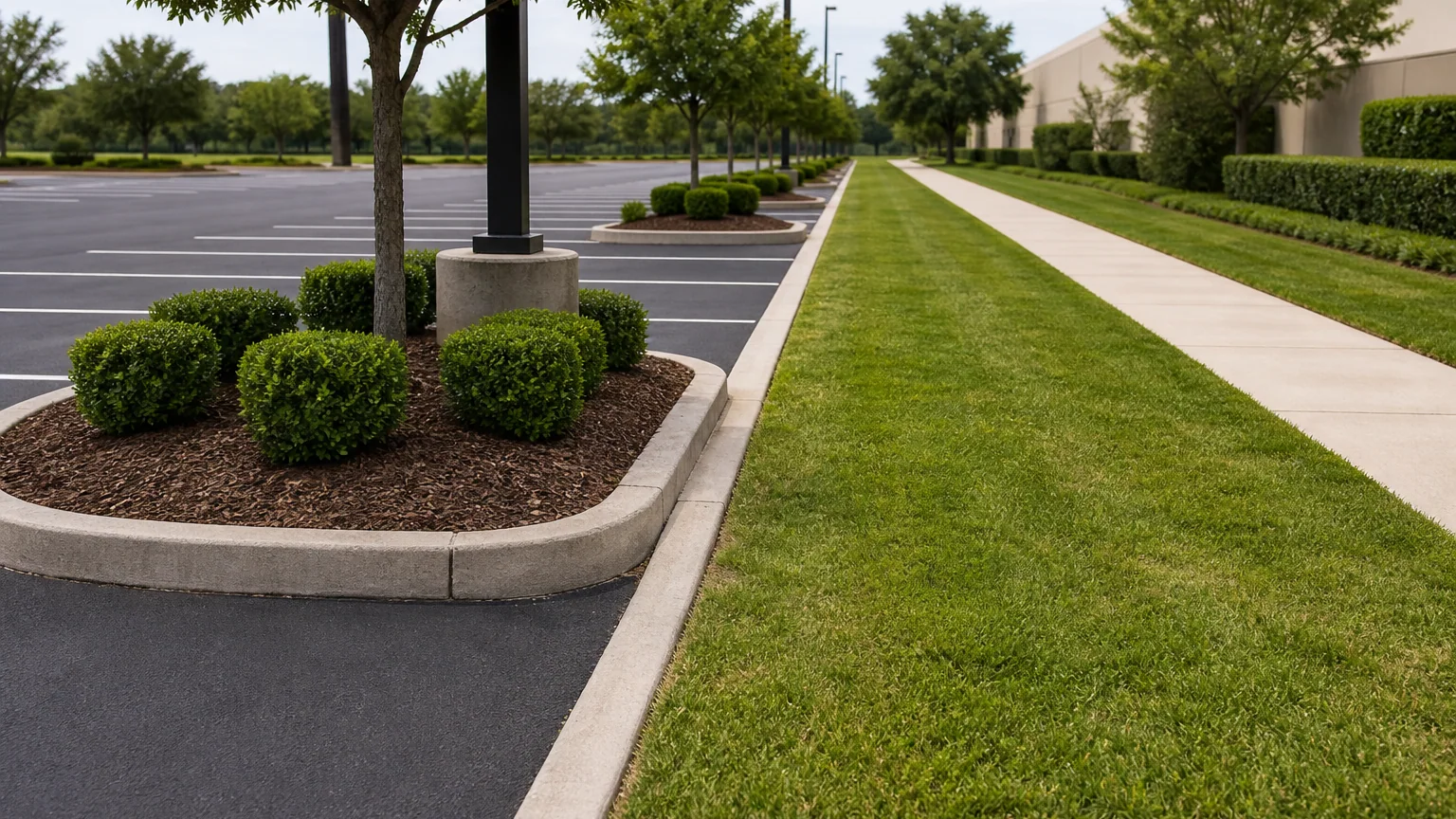
Why commercial is a different job. A house gets one crew and one lawn. A commercial property can have acres of turf, dozens of beds, and an irrigation system with hundreds of heads. The parking sheds water into low corners. That scale changes everything. A missed week shows up at the next tenant meeting. A flooded walkway or a dark parking lot is a safety issue, not just an eyesore. And the property may have lease terms, city rules, or HOA standards to meet. You need a vendor who treats all of that as the job, not as extras.
What a real contract spells out. This is where a property manager wins or loses the year. A strong commercial maintenance contract names the work instead of hand-waving at it:
- The actual services — mowing, edging, bed care, shrub trimming, fertilization rounds, irrigation checks — and how often each one happens.
- How the schedule shifts by season, so turf in July and dormancy in January are both covered.
- Who carries the licensing and insurance, and proof of it.
- How the crew flags a problem between visits — a broken head, storm damage, a dying bed — and who they call.
- What's included in the base price, and what gets quoted separately.
A bid that says "regular grounds maintenance" and a bid that lists all of the above can land at the same price. They are not the same deal. The detailed one is the one you can hold someone to.
What a North Texas property should have in writing
The local climate decides which contract lines actually earn their keep here.
- Clay and drainage. North Texas sits on heavy clay that drains slowly. On a big lot, that turns low corners and parking islands into standing water for days after a storm. That reads as neglect on a walk-through, but it's a grading and commercial drainage issue, not a mowing one. Ask how a vendor handles it.
- Water restrictions. Cities across the metroplex cap watering on dry summer days — exactly when turf is most stressed. The contract should say how the irrigation schedule adjusts to the local stage, so the property doesn't end up with a dead landscape or a citation.
- Heat and plant choice. Plants that aren't built for our summers die on schedule and get billed back as replacements. Grounds built on tough, proven plants hold up on less water and less fuss.
- Freeze risk. Hard freezes here are irregular but real. Irrigation winterization before the first one is a basic line item, not an upsell.
When it's time to put the grounds on a real program
Plenty of properties limp along on a cheap mow-and-go arrangement until the cost of not having a real program adds up. It's usually time to make a change when:
- You're spending real hours tracking down a vendor about a visit that got skipped.
- Tenants or board members are the ones telling you the grounds slipped.
- The bills keep arriving with "extras" you didn't see coming.
- One missed week is visible enough to matter — a shaggy entrance, a browned median, a bed full of weeds.
That's the case for a scoped commercial landscaping program built for managed properties — work that runs on the calendar instead of on your follow-up. It costs less worry than managing a revolving door of crews, and the grounds stop being the thing you have to think about. See what that program covers before you decide anything.
Questions worth asking before you sign
A short list separates a real commercial partner from a crew that's about to become your problem. Bring these to the walk-through:
- Is the scope in writing, line by line? If the answer is "we do everything," ask them to write down what "everything" means.
- How does the schedule change by season? A vendor who mows the same way in August and January isn't paying attention.
- Who do I call between visits, and how fast do you respond? You want a name, not a queue.
- Are you licensed and insured, and can I see proof? Basic, and worth confirming on paper.
- What's in the base price, and what gets billed on top? Get the line drawn before work starts, not after the invoice.
- Can the same company handle the installs and the upkeep? One accountable party beats stitching vendors together.
Good vendors answer these plainly; the cagey ones are telling you something. Here's where we land on our own list. The scope goes in writing, the schedule shifts by season, and you get one named contact. The base price is set before work starts. We're licensed and insured, and the crew that builds a project is the same one that keeps it up.