

Stone Work Contractor in Colleyville, TX
Stone is what makes a yard feel finished. A flagstone path to the door. A clean border around the beds. Pavers that stay flat year after year. We handle paver and stone work across Colleyville and the DFW area. Everything goes on a real base, so it lasts. Licensed and insured.
Locally owned · Licensed & insured
4.8 · 93 Google reviews
Good stone work is mostly what you don't see
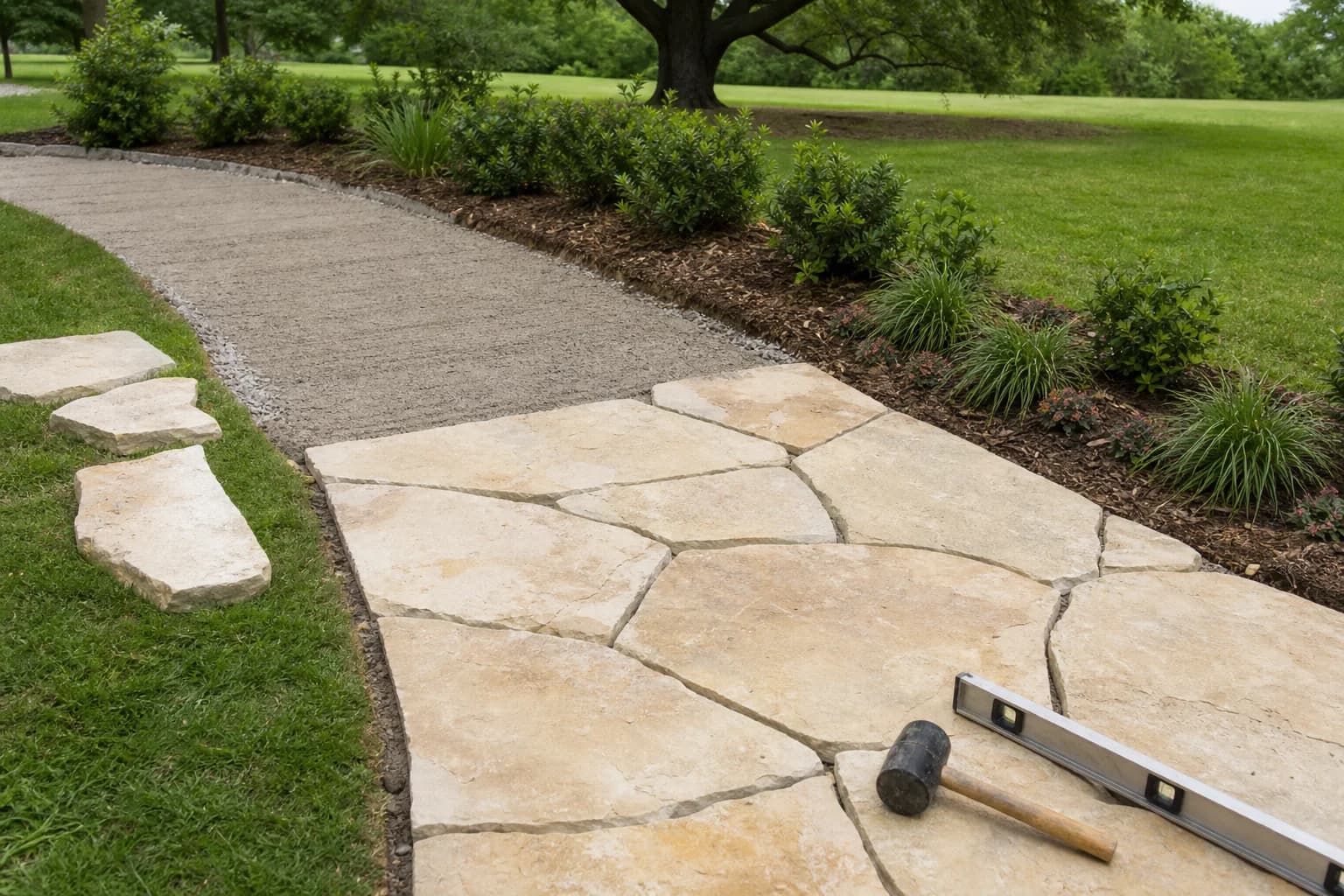
Anyone can lay stones on dirt. For a season, it even looks right. Then North Texas clay does what it always does. The ground swells with the rain and shrinks in the heat, and the stones tip, sink, and spread. The joints grow weeds. The path turns into an ankle hazard. Stone work that lasts is different underneath. Real excavation, a compacted base, and edging that holds it all in place. That's the part we don't skip.
What we build with stone
Paver surfaces. Interlocking pavers in herringbone, basketweave, or running bond. Building a full patio or a driveway or walkway? Those pages cover the whole project.
Flagstone paths and landings. Natural stone, laid dry over gravel or set in mortar. Fitted so the walk feels solid underfoot.
Stone borders and edging. Clean lines around beds and trees. Borders also hold mulch and gravel where they belong.
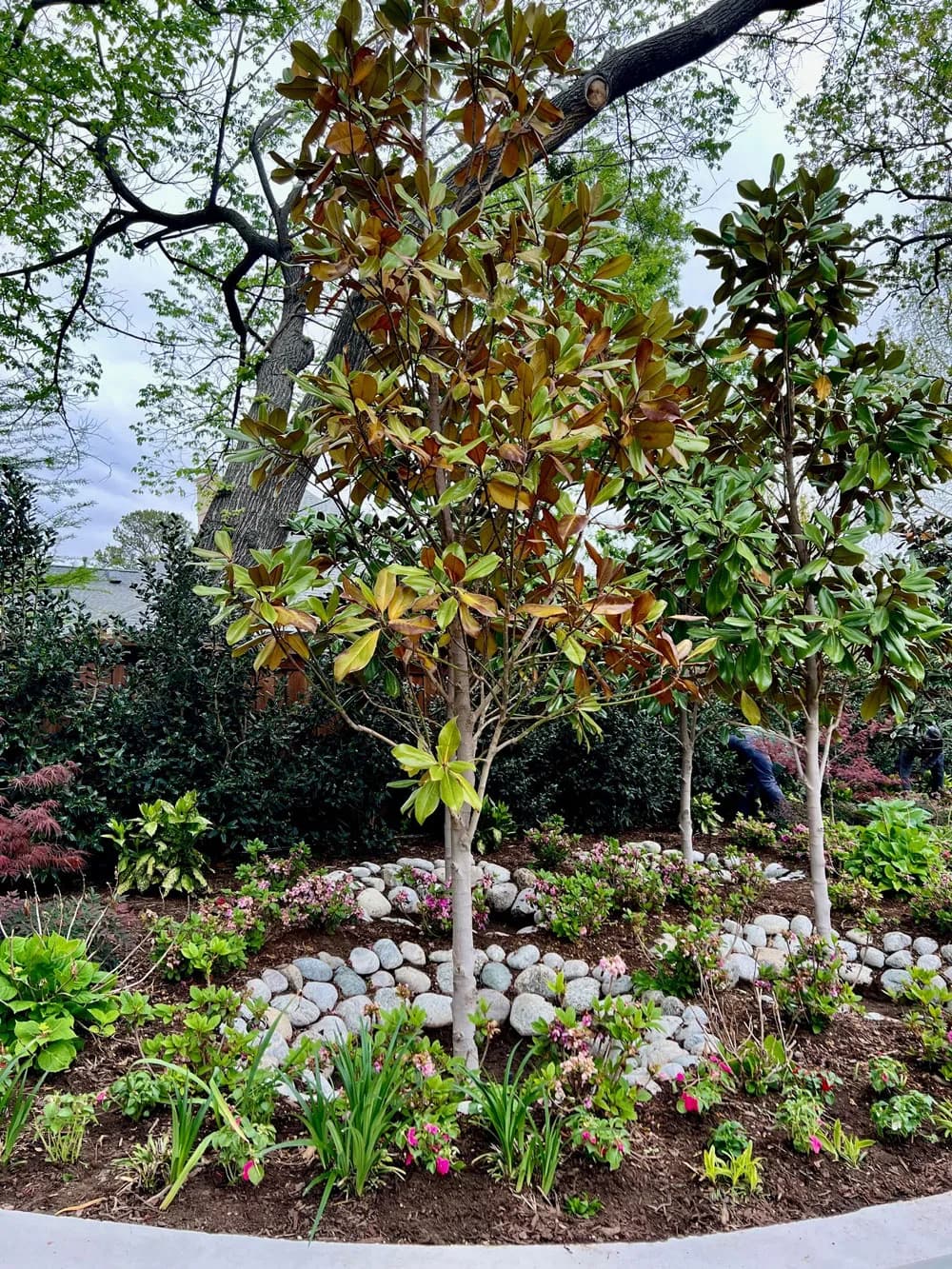
River rock beds and borders. Low-maintenance ground cover that looks sharp around beds, paths, and hardscape edges.
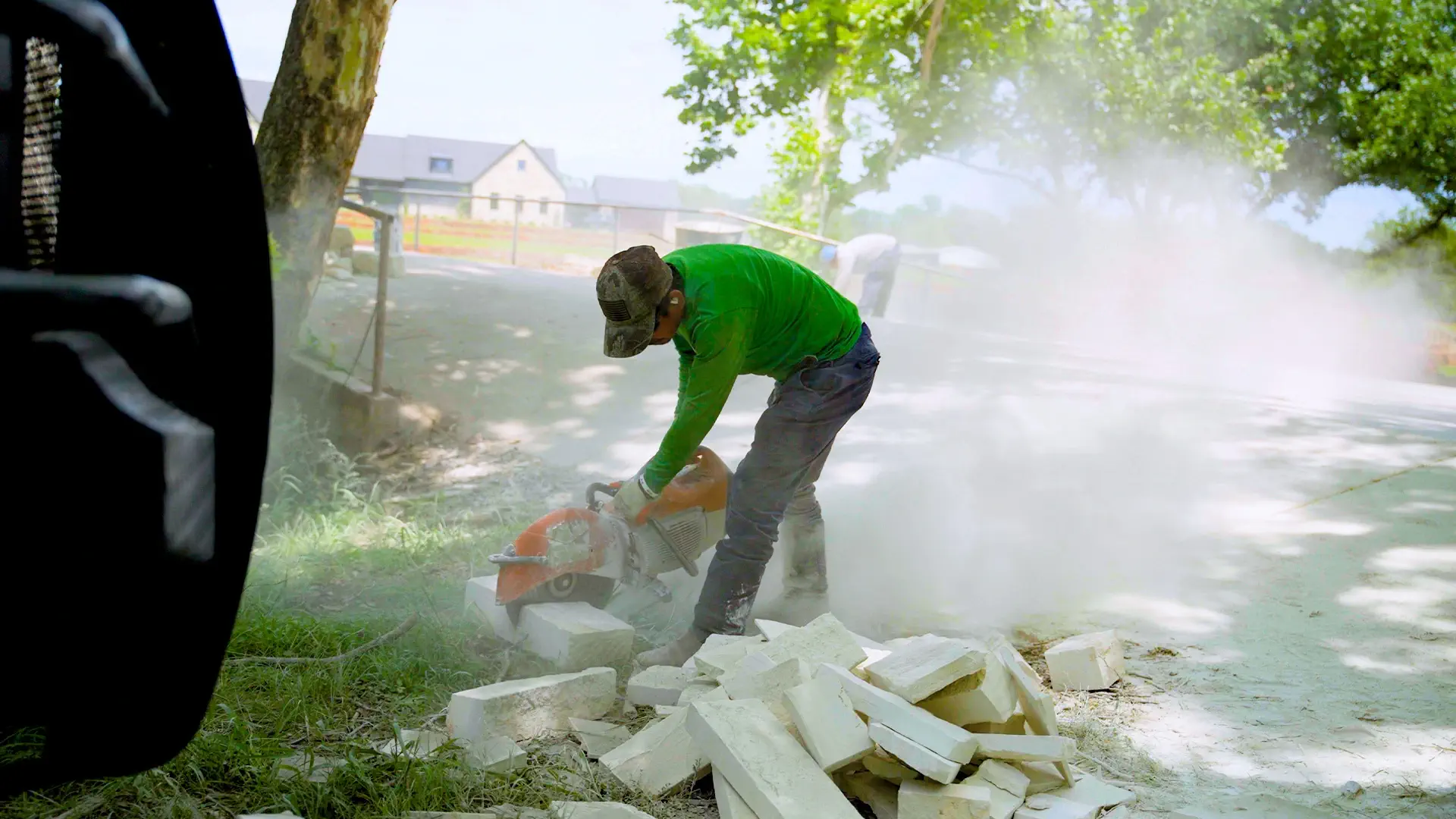
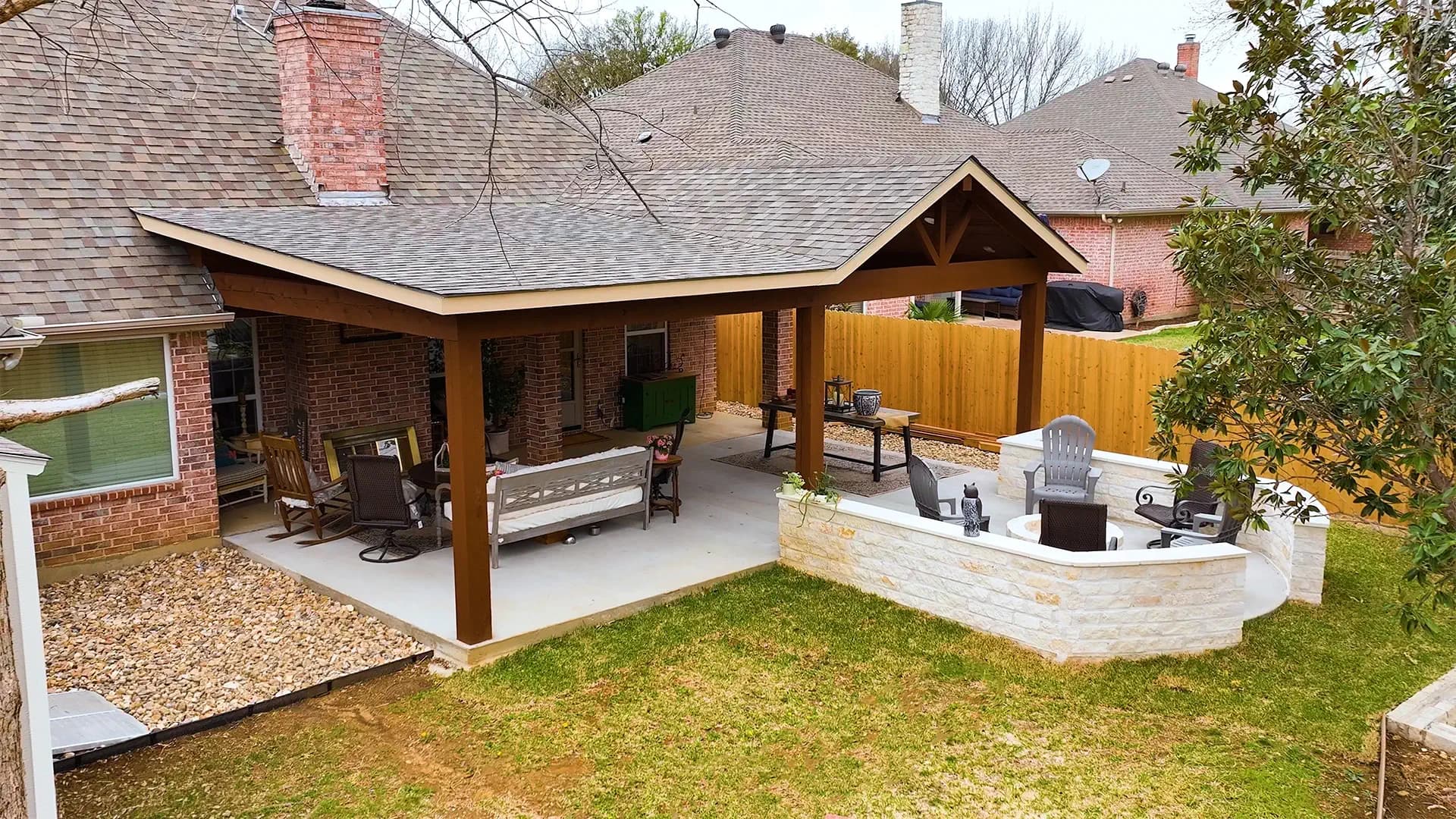
Stone veneer and accents. Natural stone facing on planters, seating walls, and existing structures. For the wall itself, see our retaining wall work.
Stone steps. Where a path changes grade. Full staircases and landings live with our steps and stairways service.
What changes
A yard that looks intentional, not just planted.
Surfaces that stay flat, because the base was compacted before the first stone went down.
Less upkeep. Stone doesn't need mowing, watering, or replanting.
Mud paths and worn tracks become real walkways.
If a paver ever cracks, it swaps out one stone at a time. A poured slab can't do that.
How it works
We walk the space with you.
What you want built, how it connects to the house and yard, and where water flows.
You pick the materials.
Pavers, flagstone, or natural stone, with samples so you see real color and texture.
You get a written price.
The scope and the materials, on paper.
We build the base.
Excavation, gravel, and compaction to the depth the surface needs.
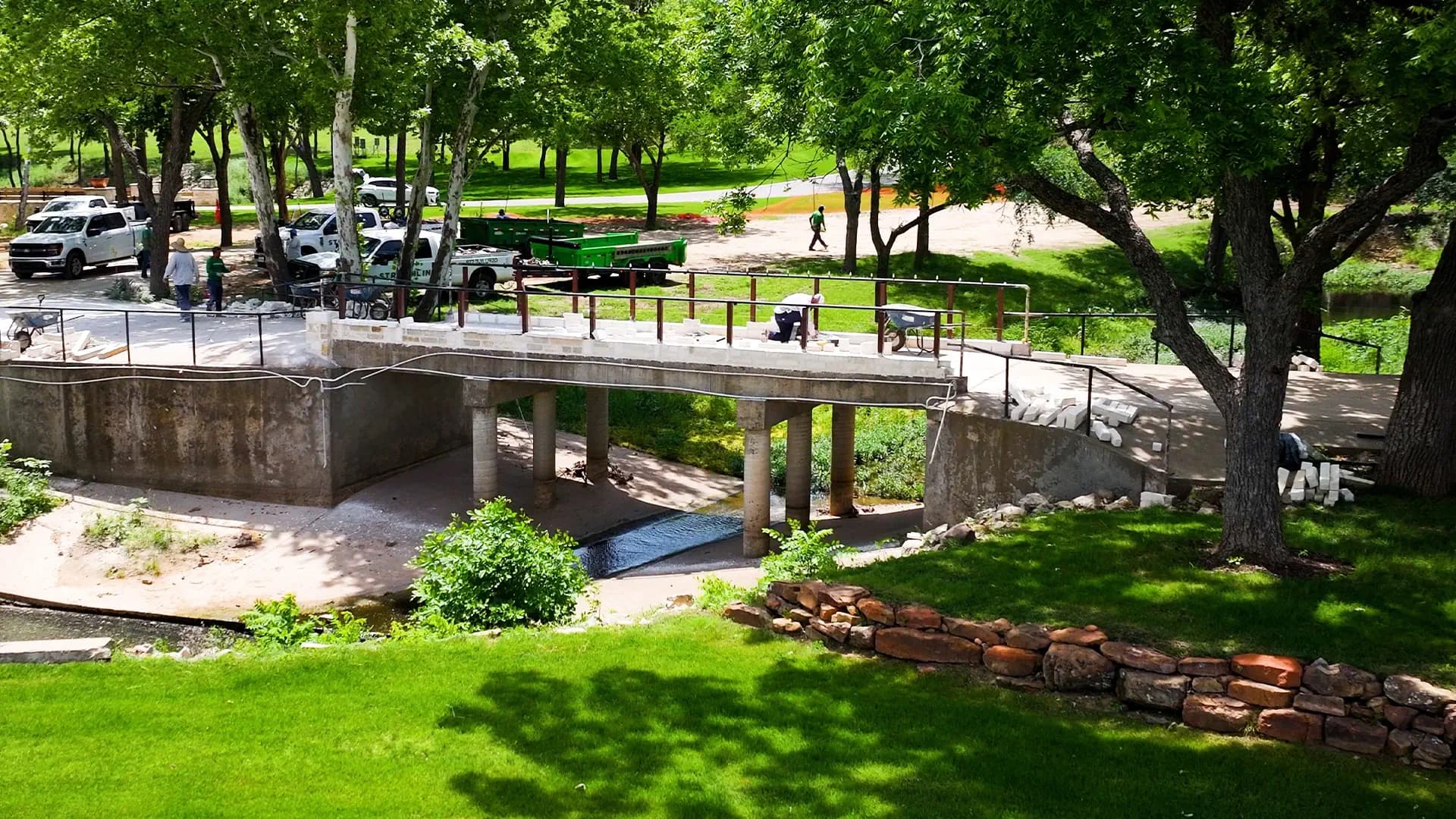
We set the stone.
Laid, cut, fitted, and edged so it stays put.
Final walk-through.
You check every edge and joint with us before we call it done.
Not sure where to start?
Tell us what's going on with your yard. The estimate is free, and there's no pressure to book.
Stone work that survives North Texas clay
Our clay soil is the whole game here. It swells when it rains and shrinks when it bakes. It will move anything sitting on a weak base. That's why the excavation and compaction matter more than the stone on top. Drainage decides longevity too. Water that can't get away undermines the base. So we grade surfaces to shed it and route it away. Material choice has a local angle as well. The stone yards in DFW stock plenty of flagstone and limestone. That makes repairs and additions easy to match later. And one comfort note: dark stone soaks up the summer sun. If bare feet will use it, we'll steer you toward lighter colors that stay cooler.
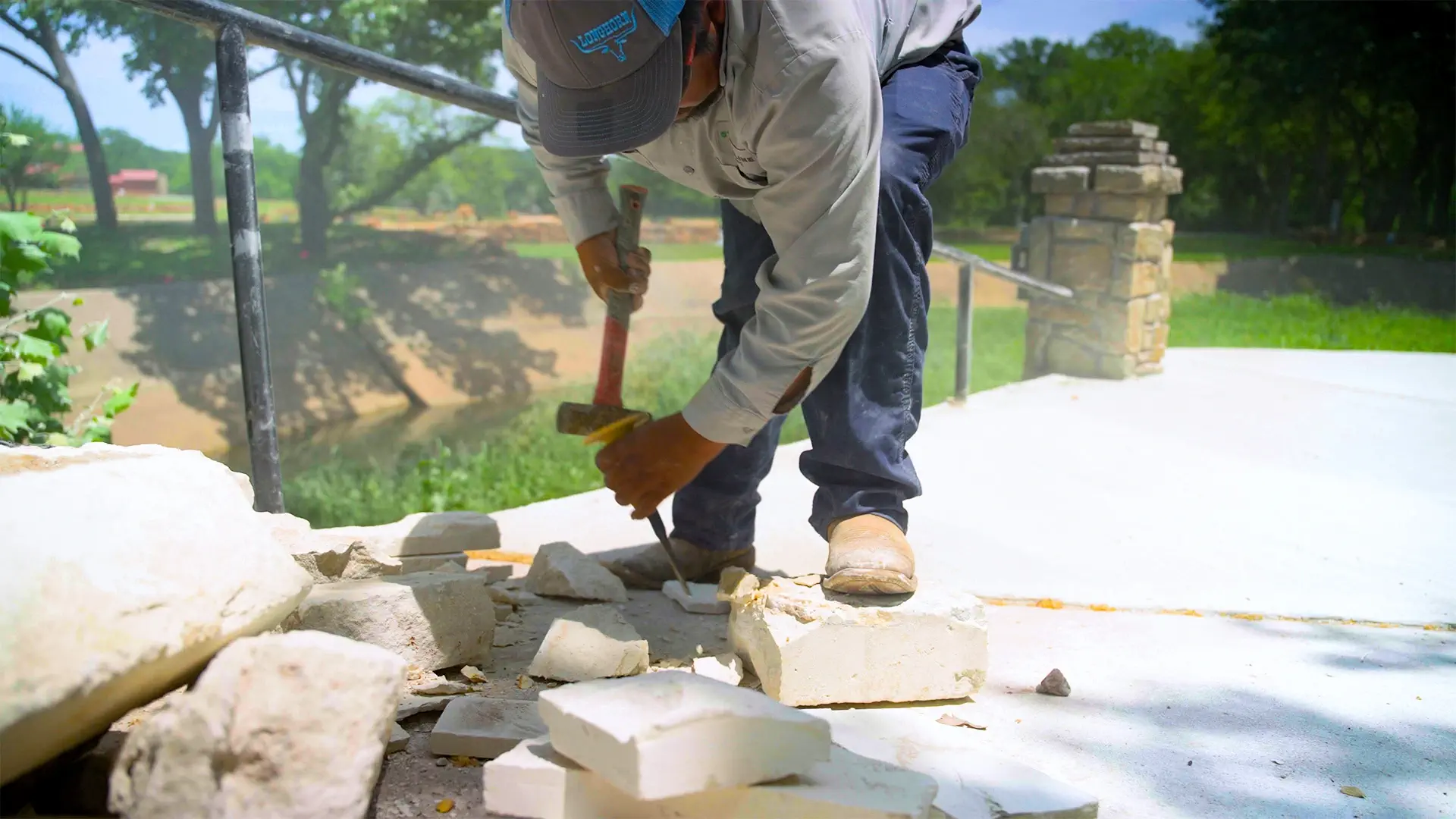
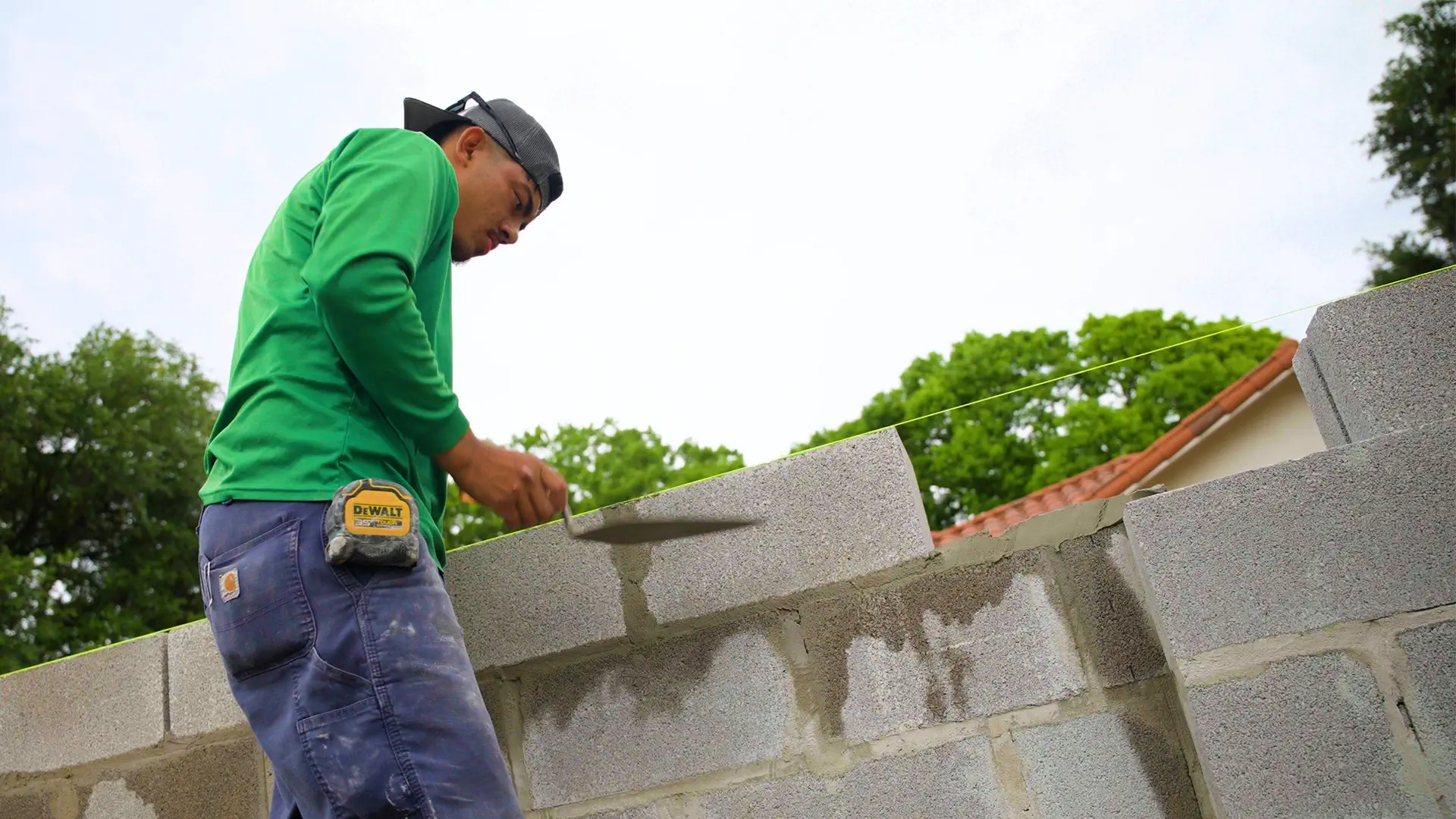
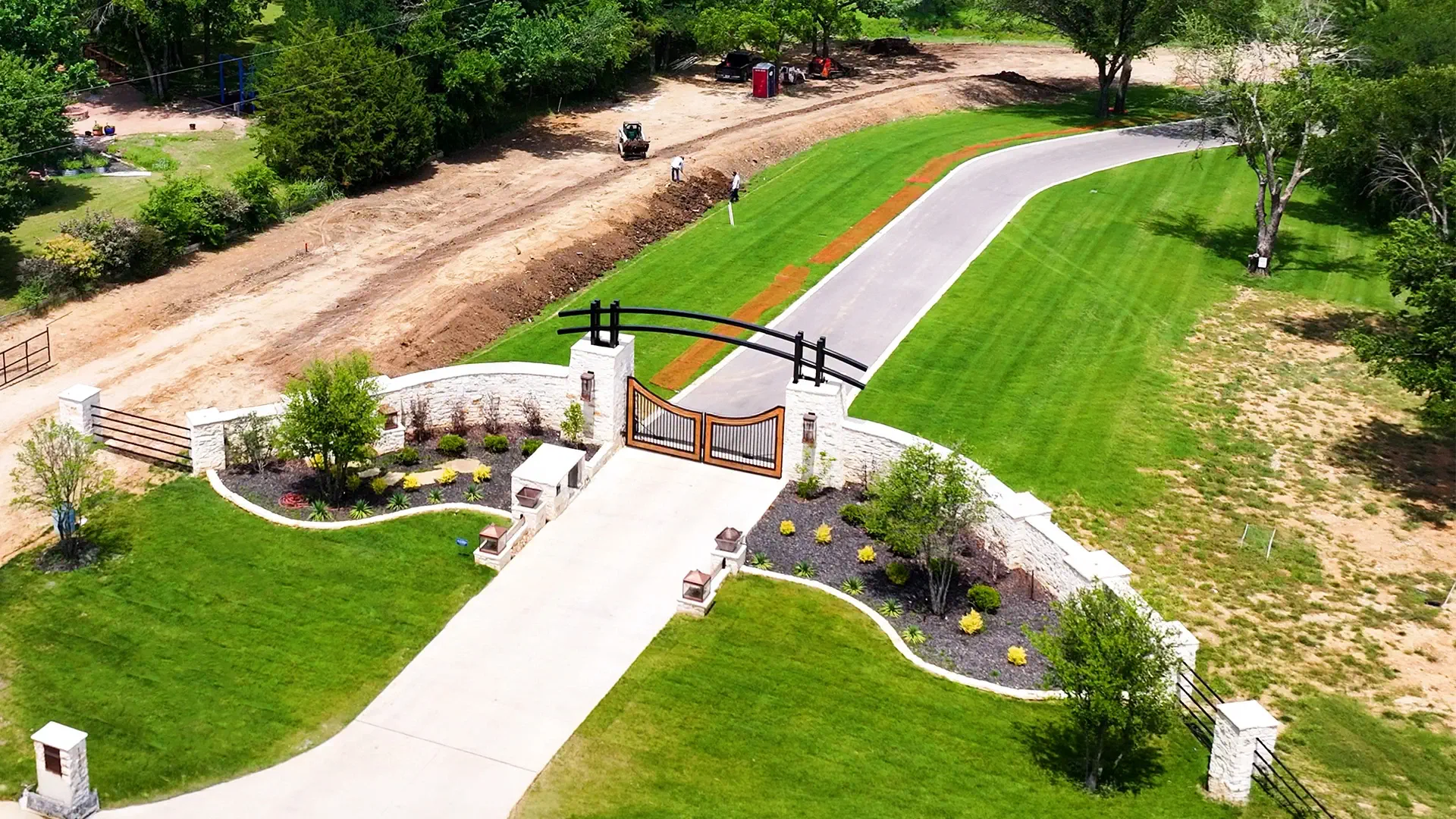
See the work
Take a look at stone work we've built around the Metroplex.
Questions homeowners ask about paver and stone work
Get your free quoteIt depends on the square footage, the material, and how much base work the site needs. Natural stone usually runs more than concrete pavers. We measure the space and give you a written price. For patio numbers, see our paver patio cost guide.
Pavers are uniform, come in lots of colors and patterns, and cost less. Natural stone costs more, and no two pieces are alike, which is exactly why people love it. Both last for decades on a proper base. We bring samples so you can see them side by side.
In our soil, usually yes. Clay movement cracks rigid slabs, and the crack is forever. Pavers flex with the ground, and if one ever breaks, we replace that one stone. A slab repair never disappears.
Almost always the base. Too shallow, poorly compacted, or no edge restraints to hold the field together. Water getting under the surface speeds it up. We dig to the right depth, compact in layers, and anchor the edges. That's what keeps a surface flat.
Not much is needed. Sweep it, rinse it now and then, and top off the joint sand every few years. Sealing is optional. It deepens the color and slows stains, but the surface doesn't fail without it.
Yes. Stone and pavers are the material. The projects have their own pages: porch and patios, walkways and driveways, and steps and stairways.
Planning with stone
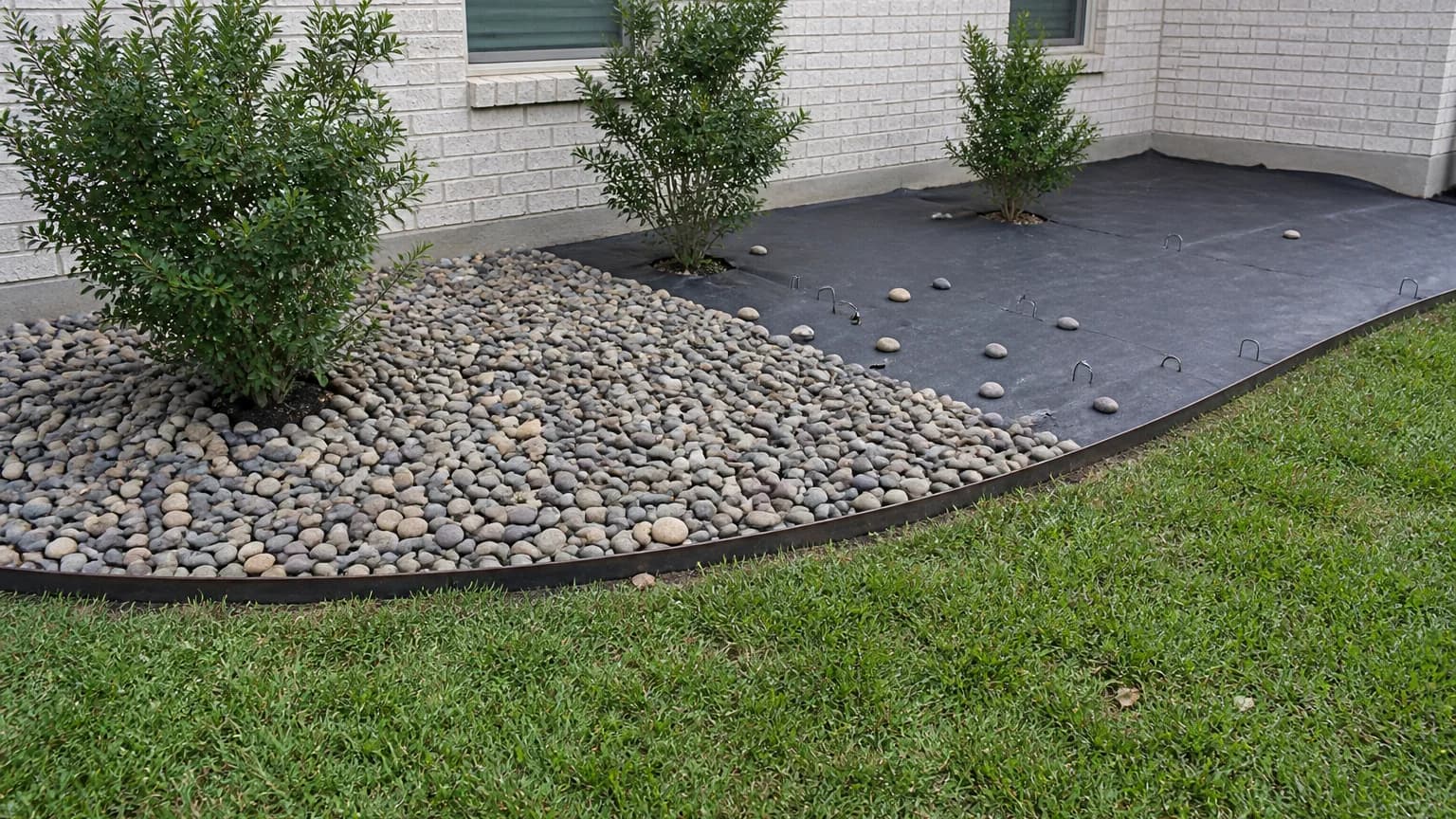
River rock landscaping: a North Texas guide
River rock landscaping done right in Colleyville, TX. The rock is the easy part: the bed under it is what lasts. Uses, cost, and care.
Read article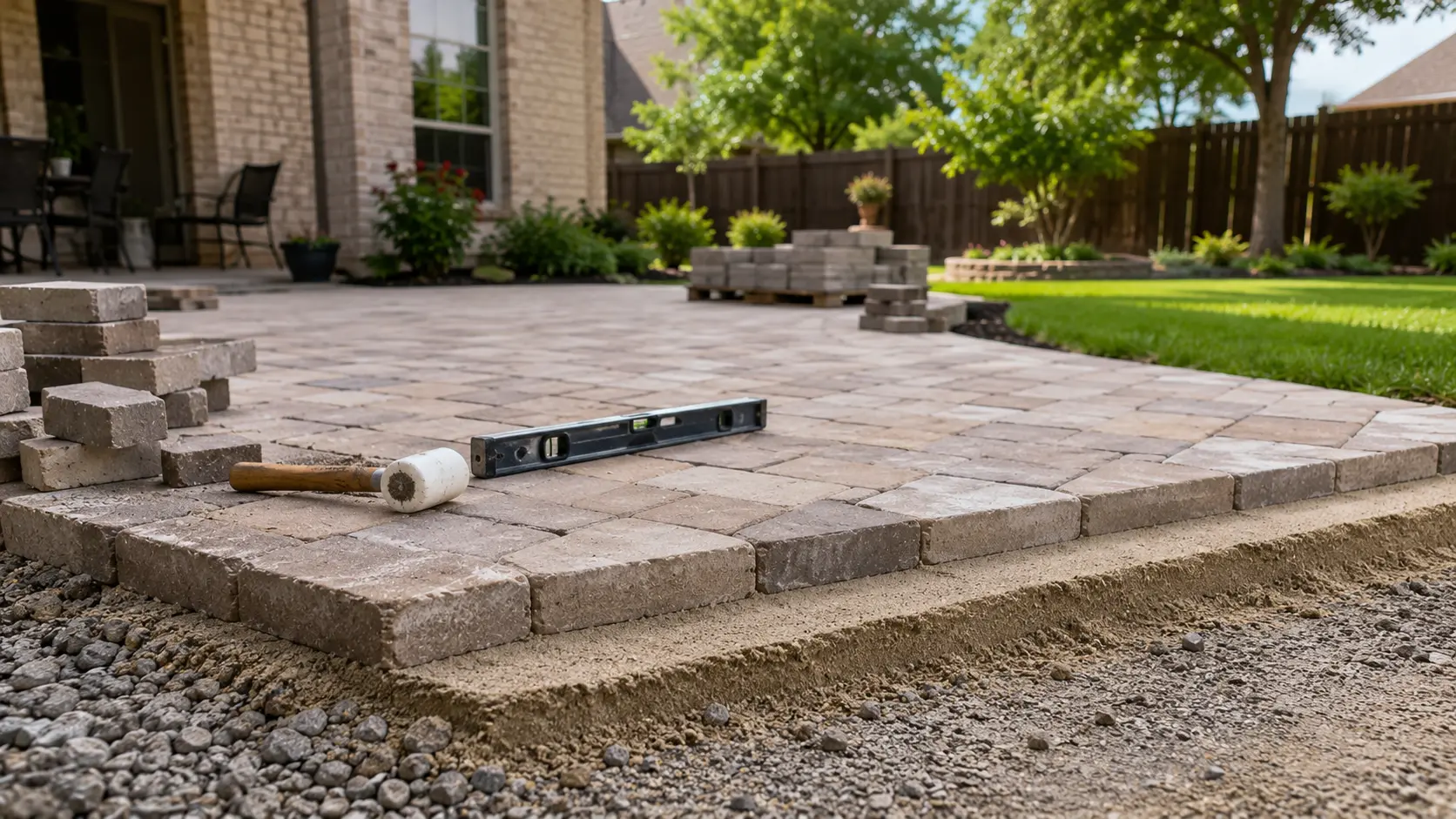
What a paver patio costs in North Texas
What does a paver patio cost in North Texas? See real DFW price ranges per square foot, what drives the number, and how to budget yours. (817) 701-8920.
Read article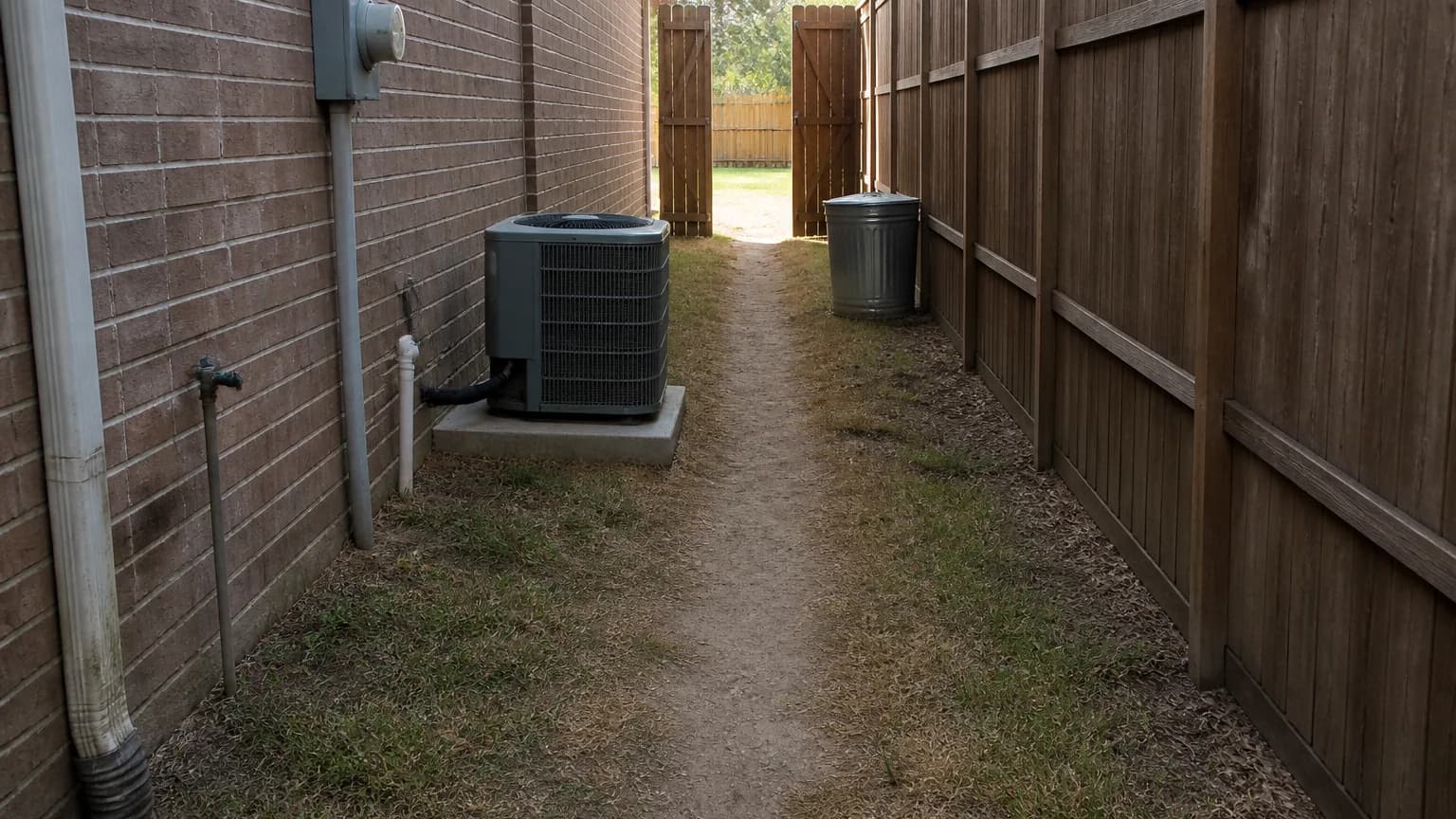
Side yard landscaping ideas
Your side yard fails when it has to do everything. Pick one job — path, screen, or garden — fix the drainage first, and make the narrow strip work.
Read articleReady for new stone work?
Tell us what you want built. We'll walk the space with you, bring material samples, and write down exactly what it costs.