

Outdoor Stair Builder in Colleyville, TX
A slope shouldn't cut your yard in two. Outdoor steps connect the levels, so you get the whole property back, not just the flat part. We design and build stone, paver, and concrete stairs across Colleyville and the DFW metroplex. Each one starts with a compacted base and ends with every tread set level and even. Licensed and insured.
Locally owned · Licensed & insured
4.8 · 93 Google reviews
When the yard fights the slope
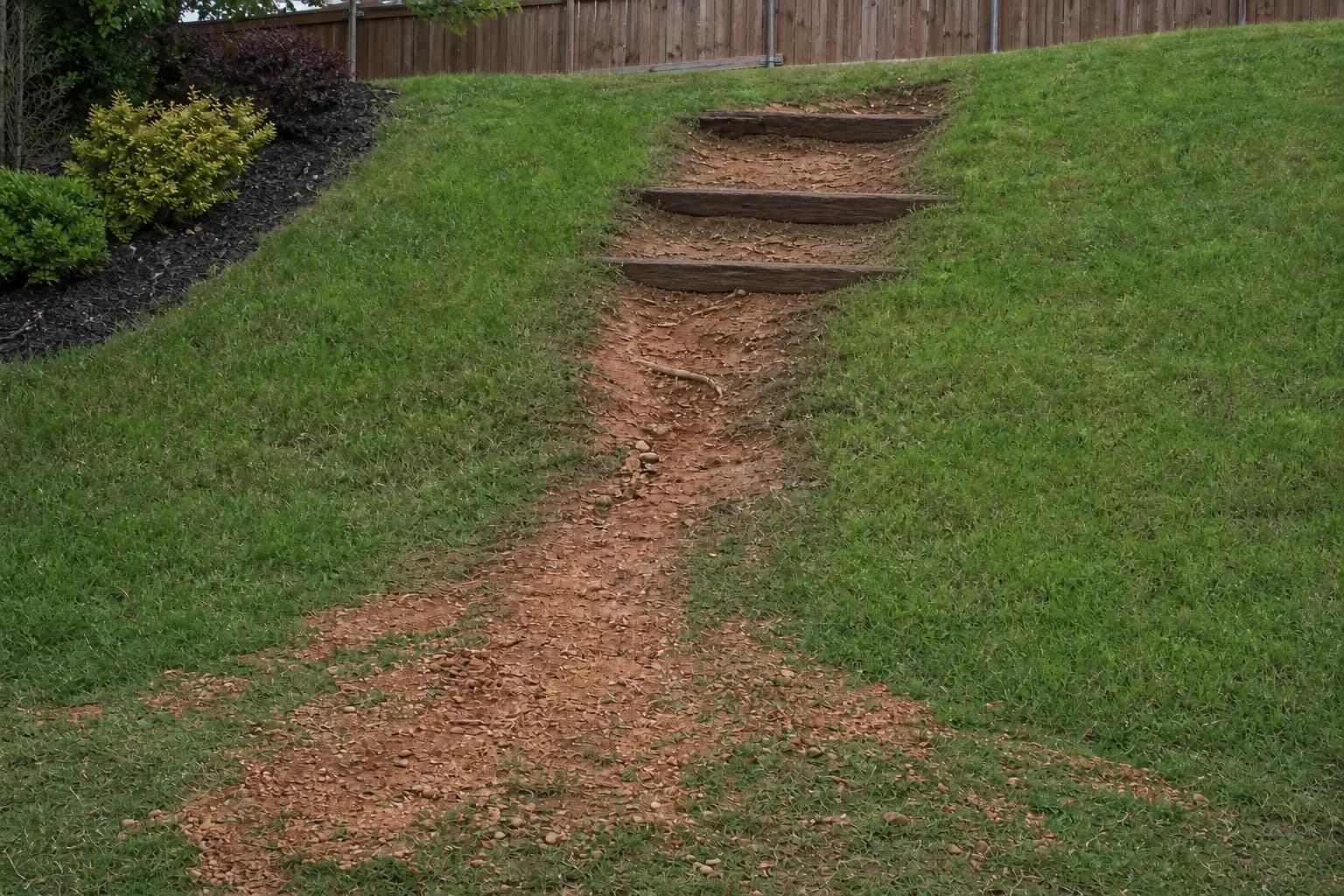
A sloped yard sounds charming until you live with it. The back half goes unused, because getting there is a climb. Kids and guests wear the same muddy track down the hill. Rain takes a little more soil with it every storm. Old steps bring their own problems. They settle into the clay, the heights go uneven, and one day a step shifts under someone's foot. Steps built right fix the access problem and the safety problem at the same time.
What we build
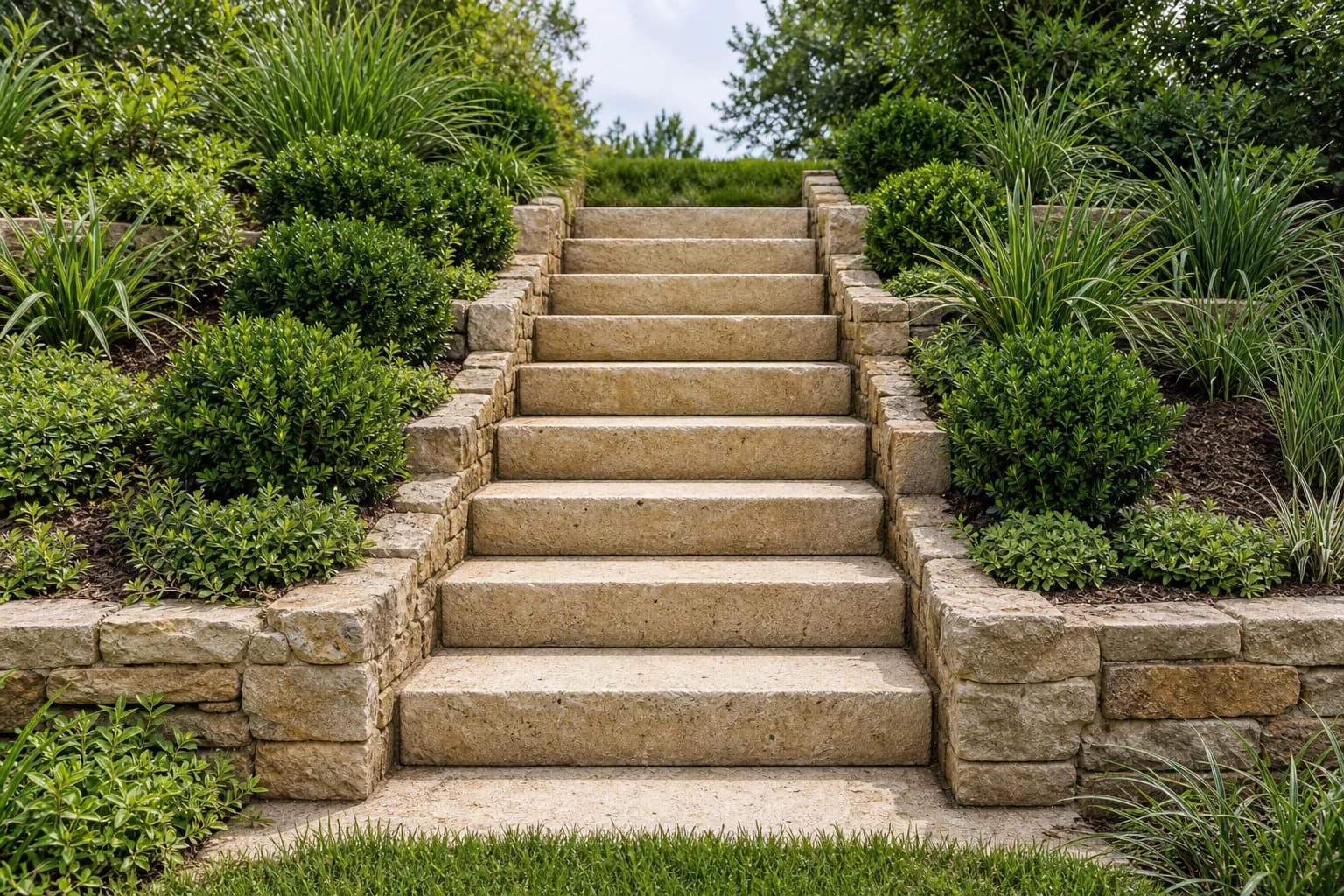
Stone steps. Flagstone and cut-stone treads set over a solid base. The premium look, and heavy enough to stay put. The materials themselves live on our paver and stone work page.
Paver steps. Built on a compacted base like a paver patio, so they match the patio and walkways around them.
Concrete steps. Poured and formed, the budget-friendly option. A broom finish adds traction underfoot.
Front-entry steps. The first thing your house shows the street. We rebuild settled or sloping front steps so the entry is safe again and looks like it belongs.
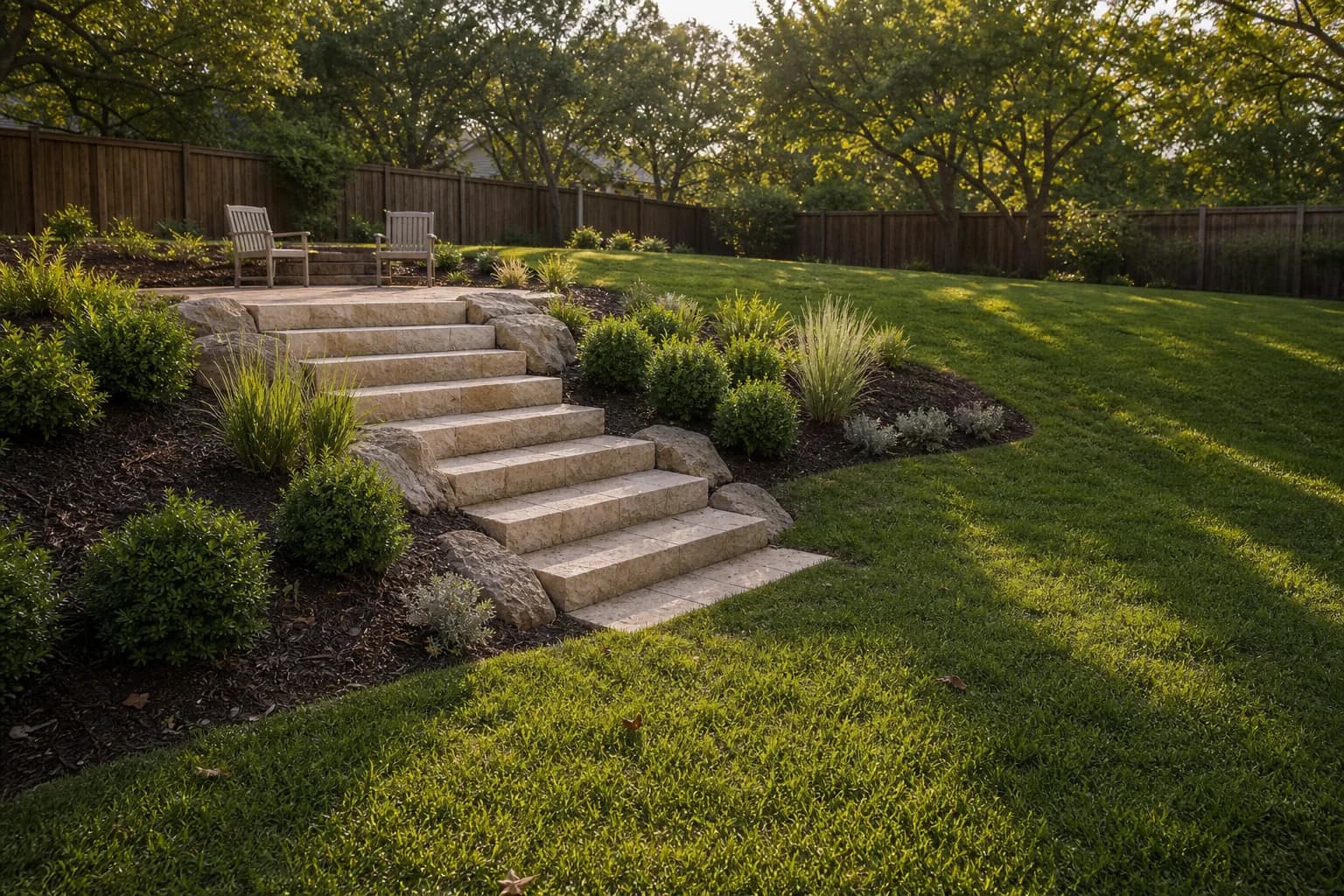
Landscape steps. Stone or paver steps set into a slope, so the shortcut everyone already takes becomes a real path.
Entry and patio transitions. Steps that connect a door, patio, walk, or slope without turning into deck construction.
Step rebuilds. Cracked, uneven, or wobbly steps torn out and rebuilt on a base that holds.
What changes
The whole yard becomes usable, not just the flat part of it. The slope stops being a boundary.
Each step rises the same height, so nobody's foot gets surprised. That consistency is what makes stairs safe.
A built path holds the soil it crosses, so rain stops carving a channel down the hill.
The wobbly step you've been warning people about is gone.
How it works
We climb the slope with you.
Where people need to go, how steep the grade is, and where water runs when it rains.
You see the design and the materials.
The stair layout, the step count, and real samples in your hands.
You get a written price.
The scope and the materials, on paper.
We check the rules.
Taller stair runs can need handrails or a permit, and many neighborhoods need HOA sign-off. We'll sort out which of those apply to your project.
We build it.
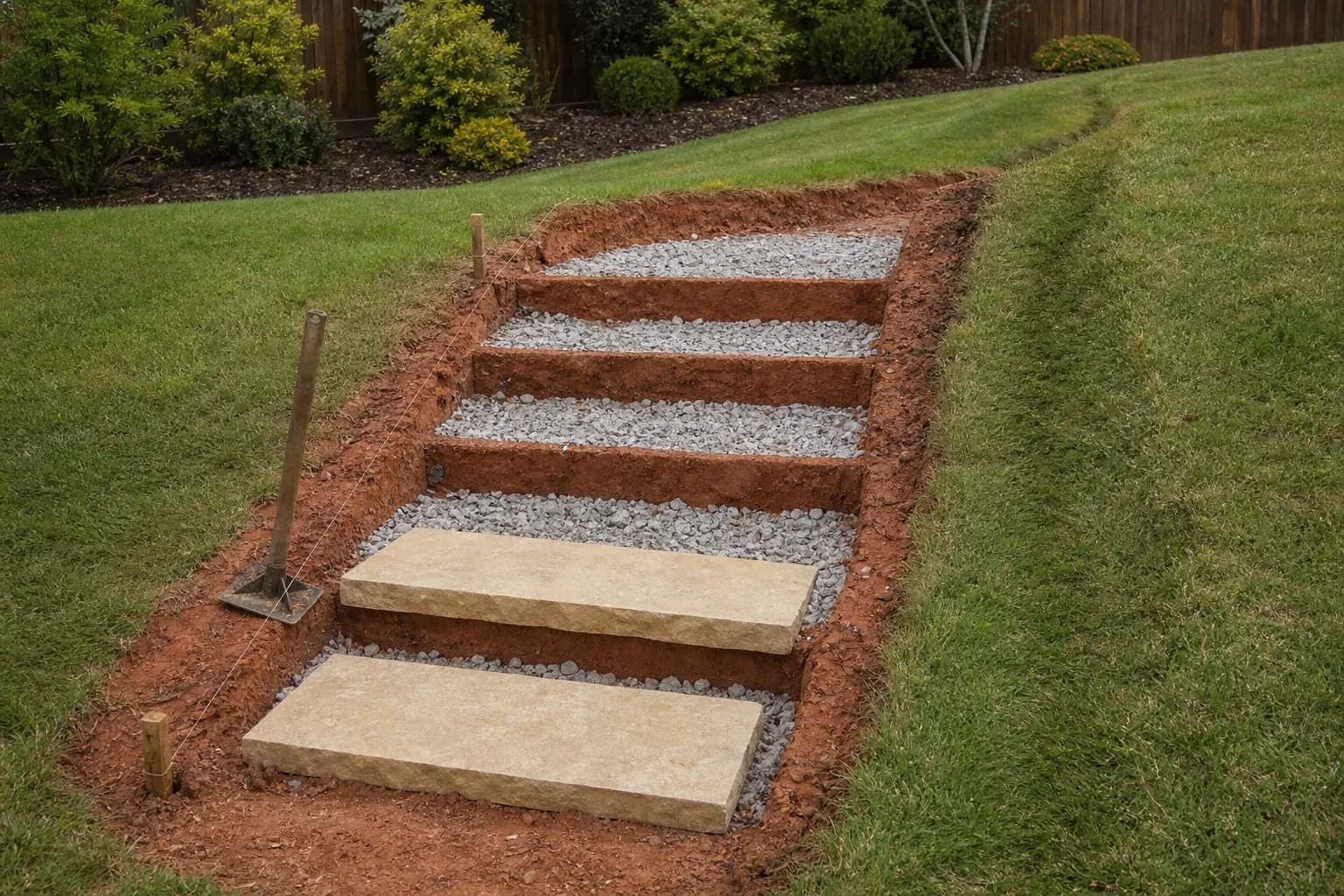
Excavation, a compacted base, then each tread set level and even.
Final walk-through.
You climb them, check every tread with us, and sign off before we call it done.
Not sure where to start?
Tell us what's going on with your yard. The estimate is free, and there's no pressure to book.
Stairs that hold up on North Texas slopes
Steps fail here for two local reasons. The first is clay. Our soil swells when it rains and shrinks when it bakes. Steps poured on bare dirt ride that movement, and the treads go uneven within a few seasons. So we excavate and compact a real base first. The second is water. A slope concentrates runoff, and runoff undermines whatever sits in its path. We shape the grade so water sheds off to the side of the stairs instead of under them. If the yard has a bigger water problem, our drainage services fix that first. And some grades need more than stairs. On steep yards, a retaining wall holds the slope while the steps climb it. We build both, so the two get designed together.
See the work
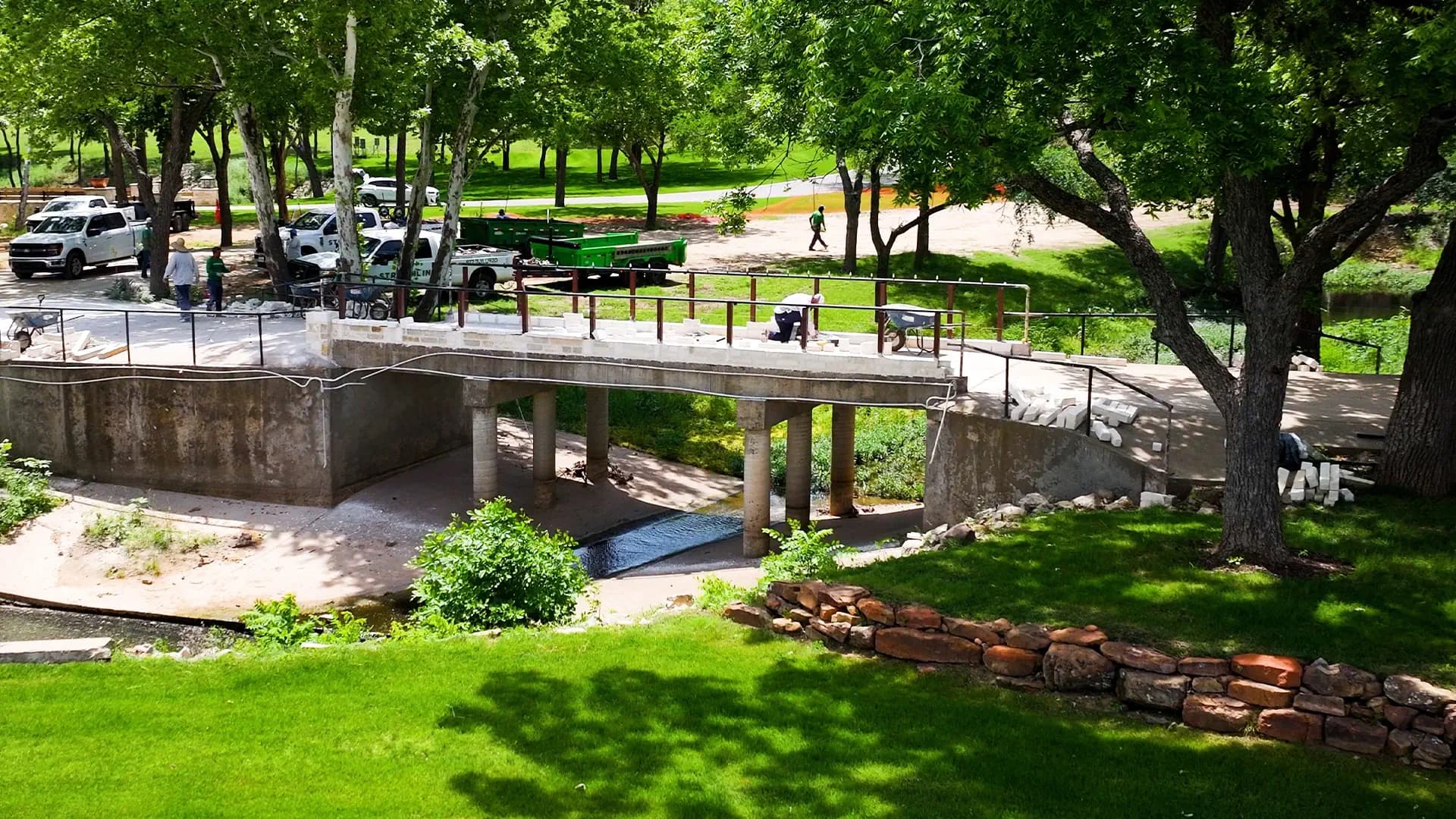
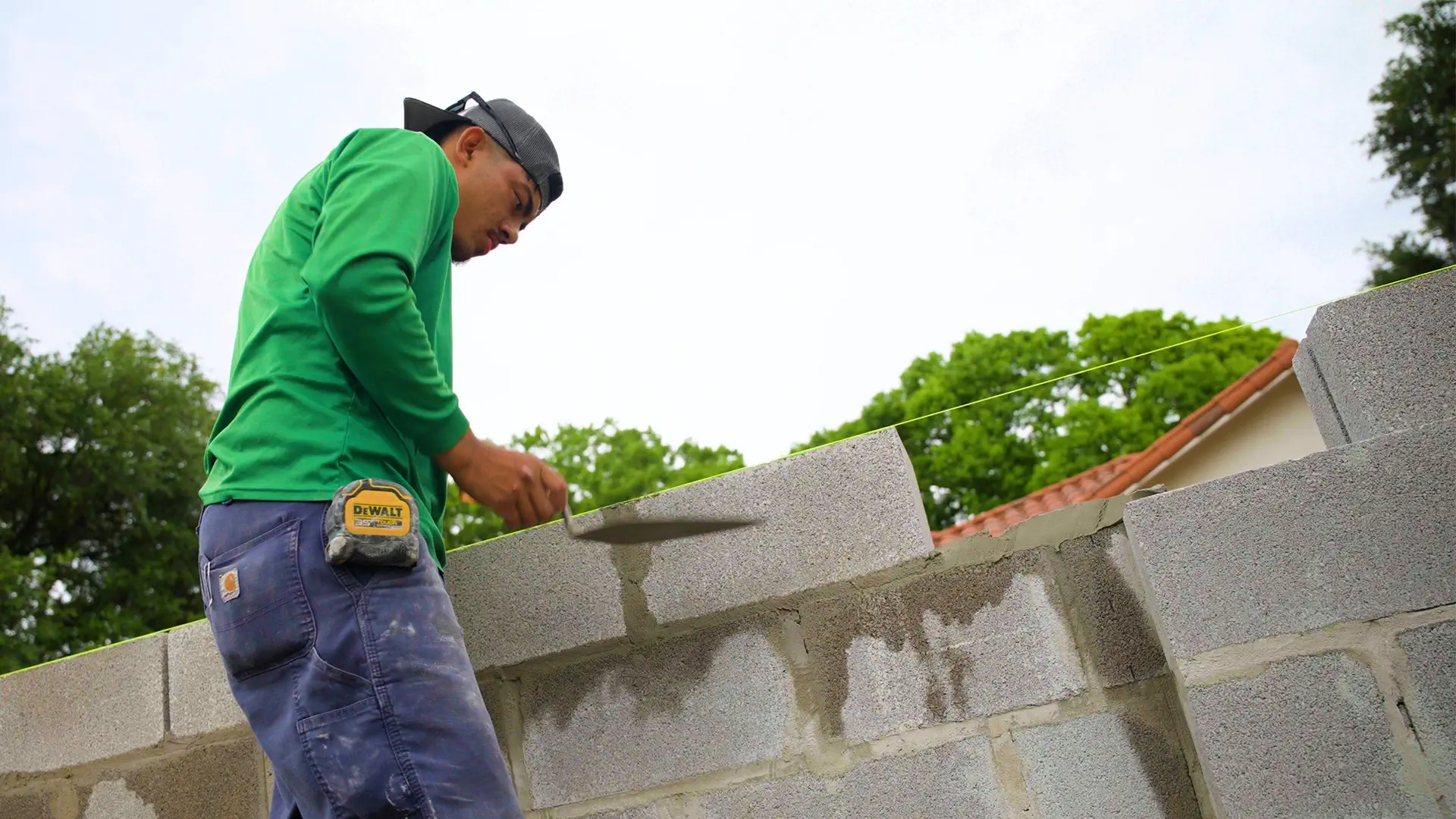
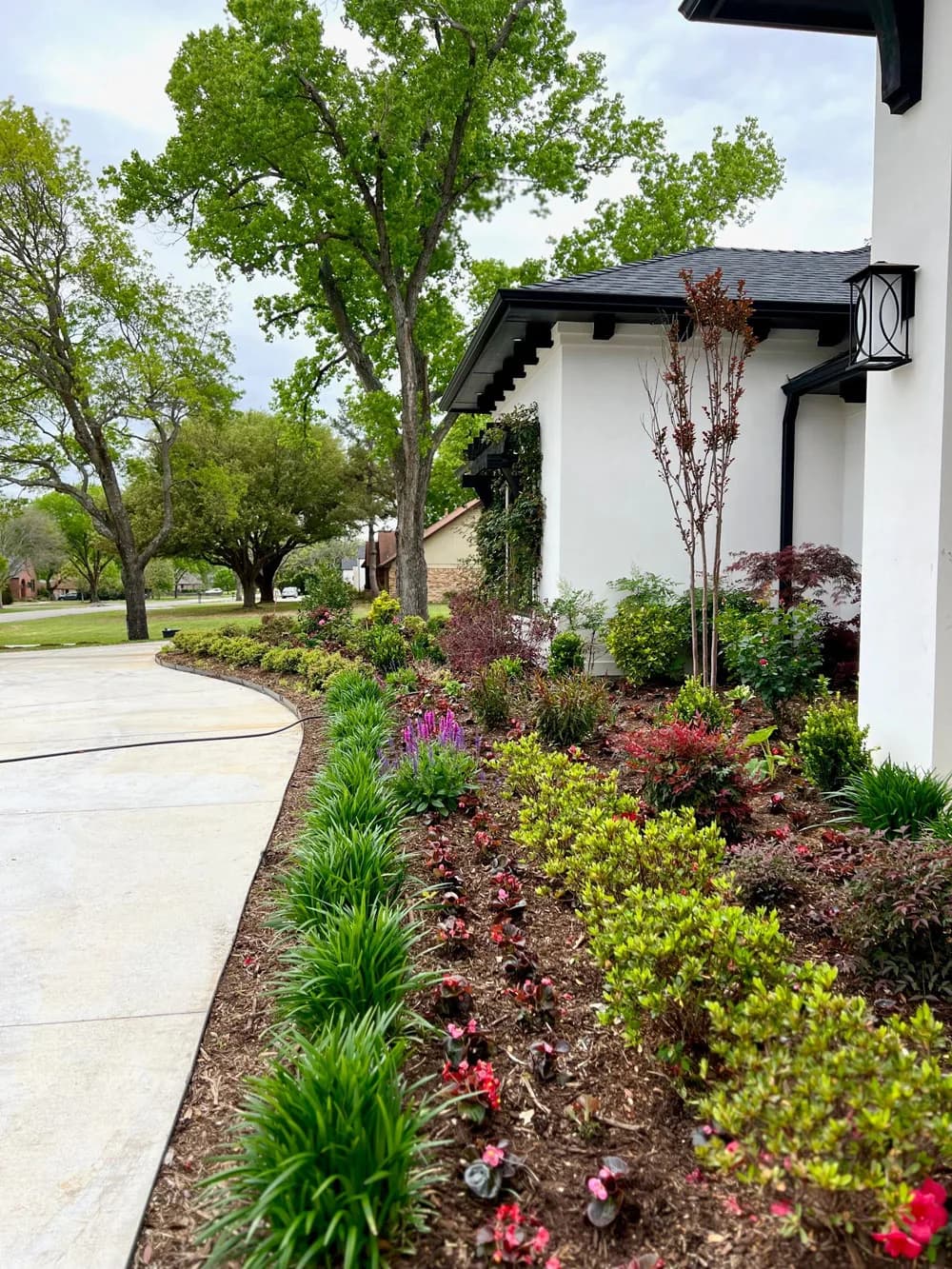
Take a look at steps and stairways we've built around the Metroplex.
Questions homeowners ask about outdoor steps
Get your free quoteIt depends on how many steps the grade needs, the material, and how much site work comes first. Three concrete steps and a full stone staircase are very different projects. We count the steps your slope needs and give you a written quote before anything starts.
Stone, pavers, and concrete all hold up here when the base under them is built right. Stone treads look the best and last for decades. Pavers match the patios and walkways around them. Concrete is the budget pick. Our stone work page walks through each material one by one.
Almost always the ground, not the steps. Clay moves with the weather, and steps without a compacted base move with it. Water running under the stairs speeds it up. We fix the base and the drainage first, so the rebuilt steps stay put.
It depends on the height of the run and your city's rules. Short garden steps usually don't need one. Taller runs often do, and a rail can be worth adding either way for grip in the rain. If your stairs need one, we'll flag it during the design visit.
Sometimes. A settled paver step can be lifted and re-bedded. But when the base under the stairs has failed, patching the top is temporary. We'll tell you honestly which one your steps need.
Yes, and on steep yards that's usually the right call. The retaining wall holds the slope, the steps climb it, and tiered patio levels can sit in between. Designing them together keeps the materials and the drainage consistent.
Planning a sloped yard
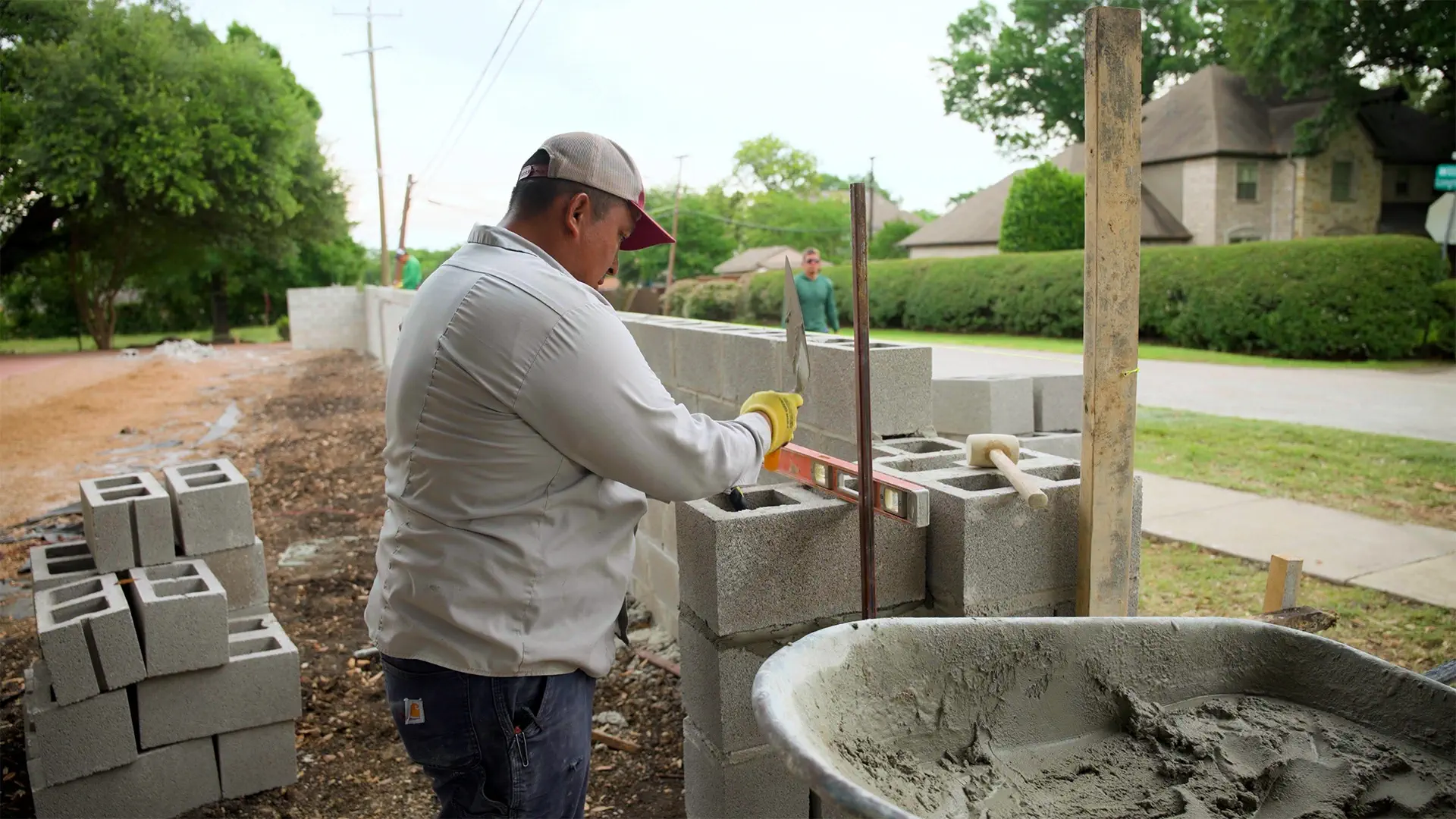
Retaining wall drainage in North Texas
Retaining walls lean and leak when water builds up behind them. Here's how retaining wall drainage works and the signs yours is failing. (817) 701-8920.
Read article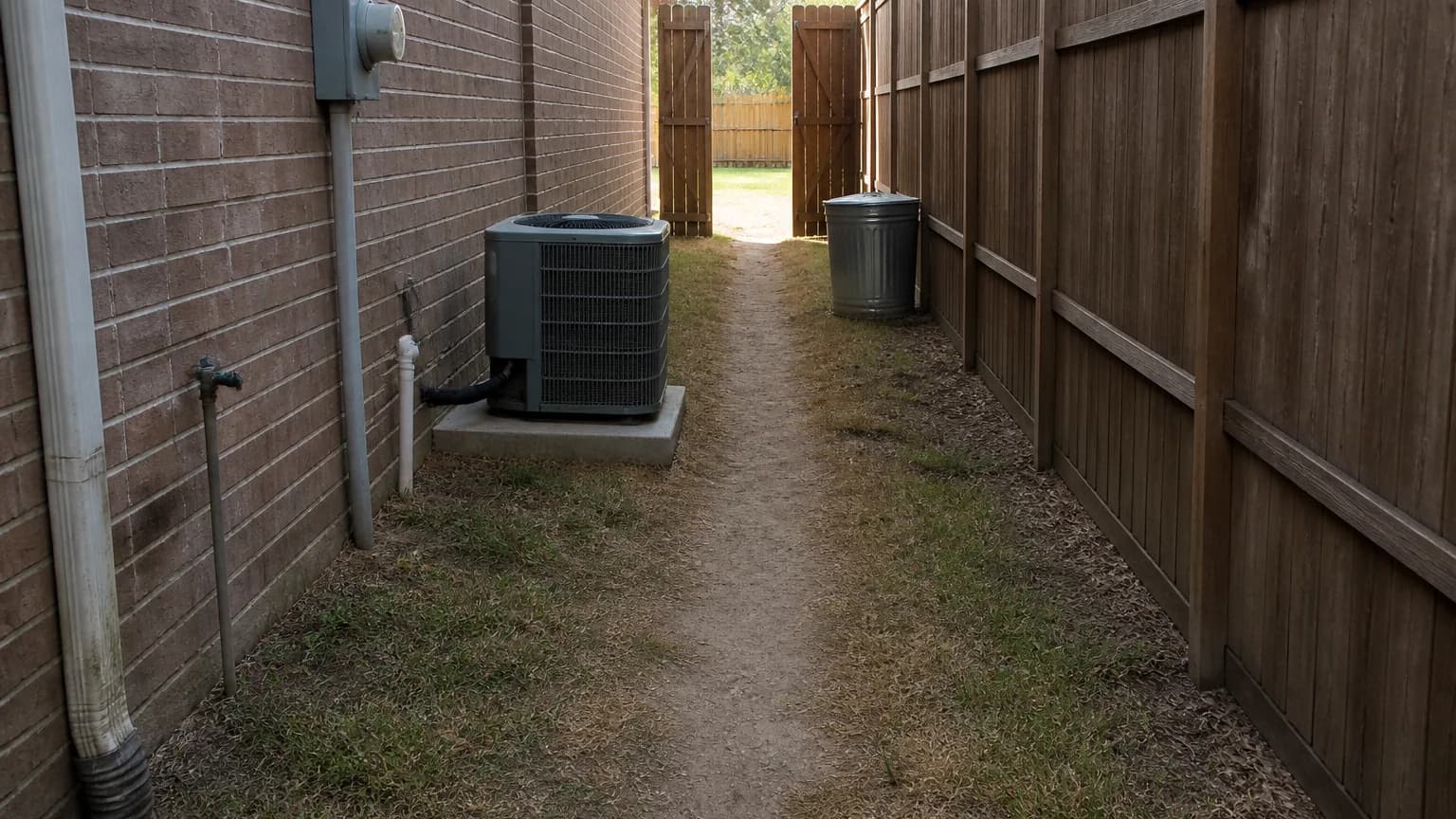
Side yard landscaping ideas
Your side yard fails when it has to do everything. Pick one job — path, screen, or garden — fix the drainage first, and make the narrow strip work.
Read article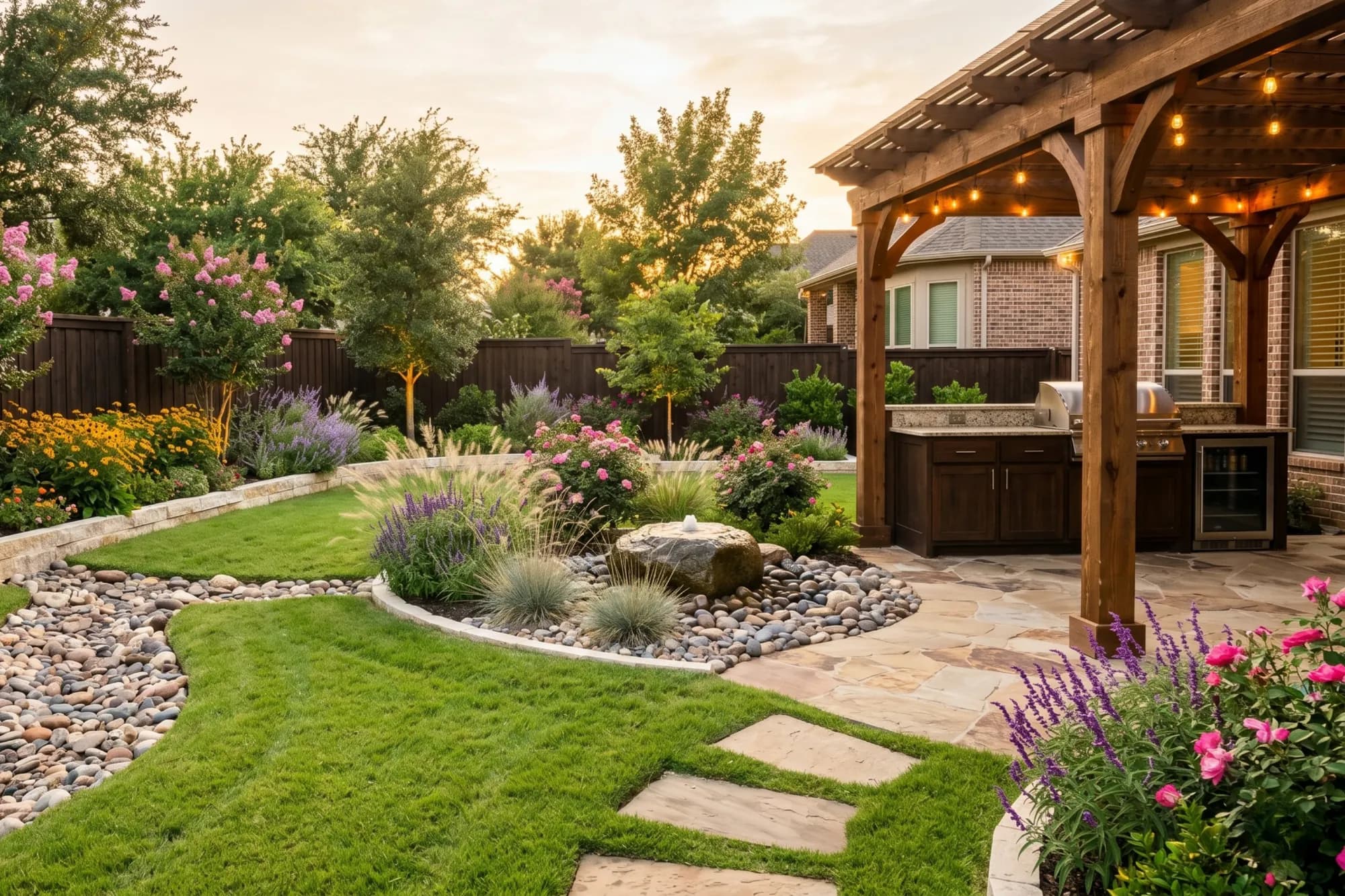
How to create a backyard oasis
How to create a backyard oasis in North Texas: design ideas for outdoor living, plants, hardscape, lighting, and water that work as one plan.
Read articleReady for new outdoor steps?
Tell us where the slope is slowing you down. We'll climb it with you, count the steps it needs, and give you a written quote. Then you get the whole yard back, not just the flat part.