
Start with how you'll use it, then build out
The most common mistake is buying features one at a time and trying to make them fit together later. It almost never works. A clear plan up front saves money and keeps the yard from looking like a patchwork. So walk it first.
Stand in the yard at a few different times of day. See where the sun hits and where the shade falls. Watch where water sits after a hard rain. Note the trees worth keeping and the views you'd like to block. Then split the yard into zones — a main gathering spot, a path or bed that connects, and maybe a second stop like a fire pit or a hammock corner. Zoning is what makes a small yard feel bigger. It gives you a little journey instead of one flat room. This is exactly what a landscape design plan locks in before anyone digs.
With the plan set, here are the pieces — the backyard landscaping ideas most oasis yards are built from. You don't need all of them. Pick the few that fit how you'll actually live out there.
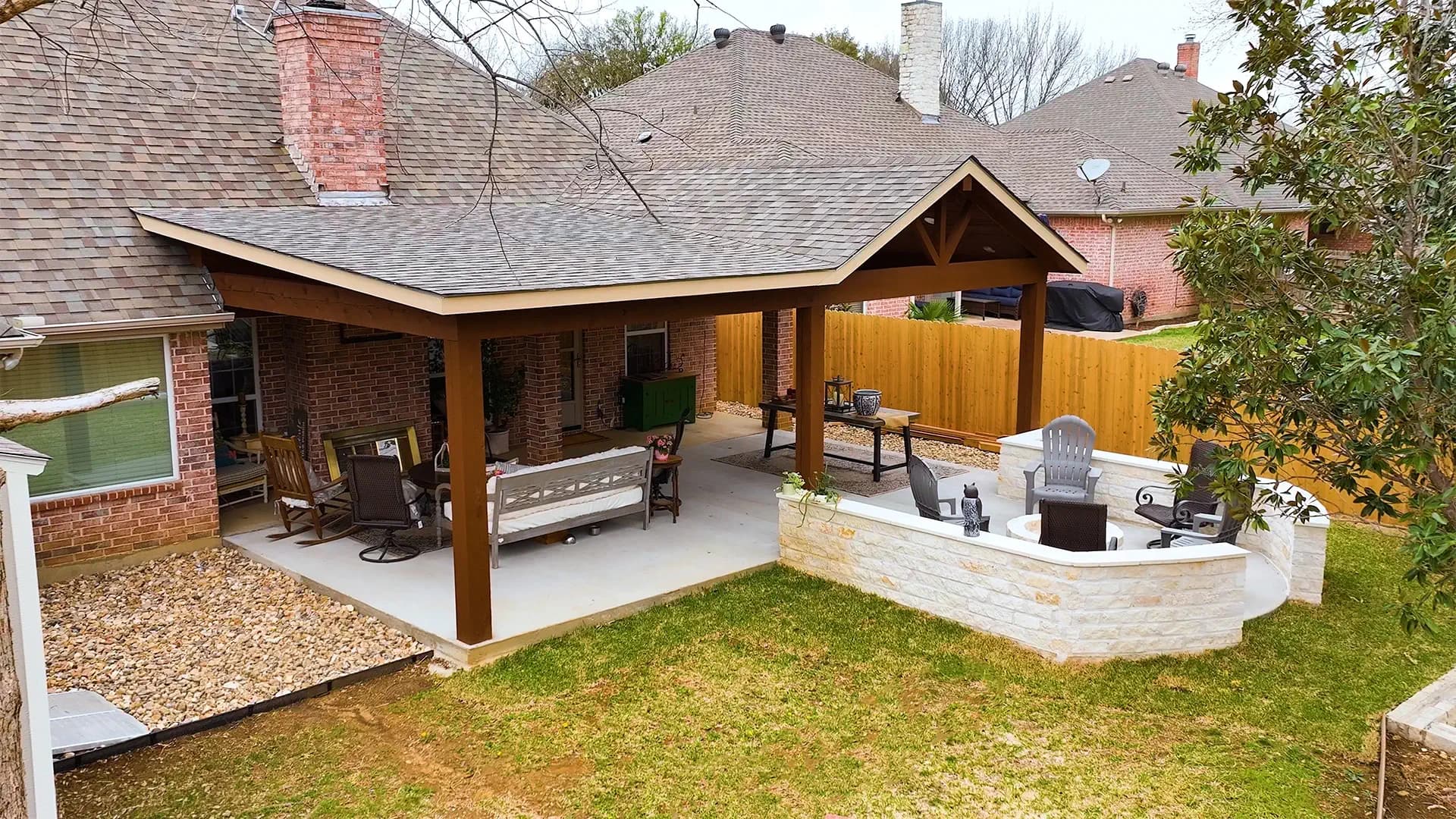
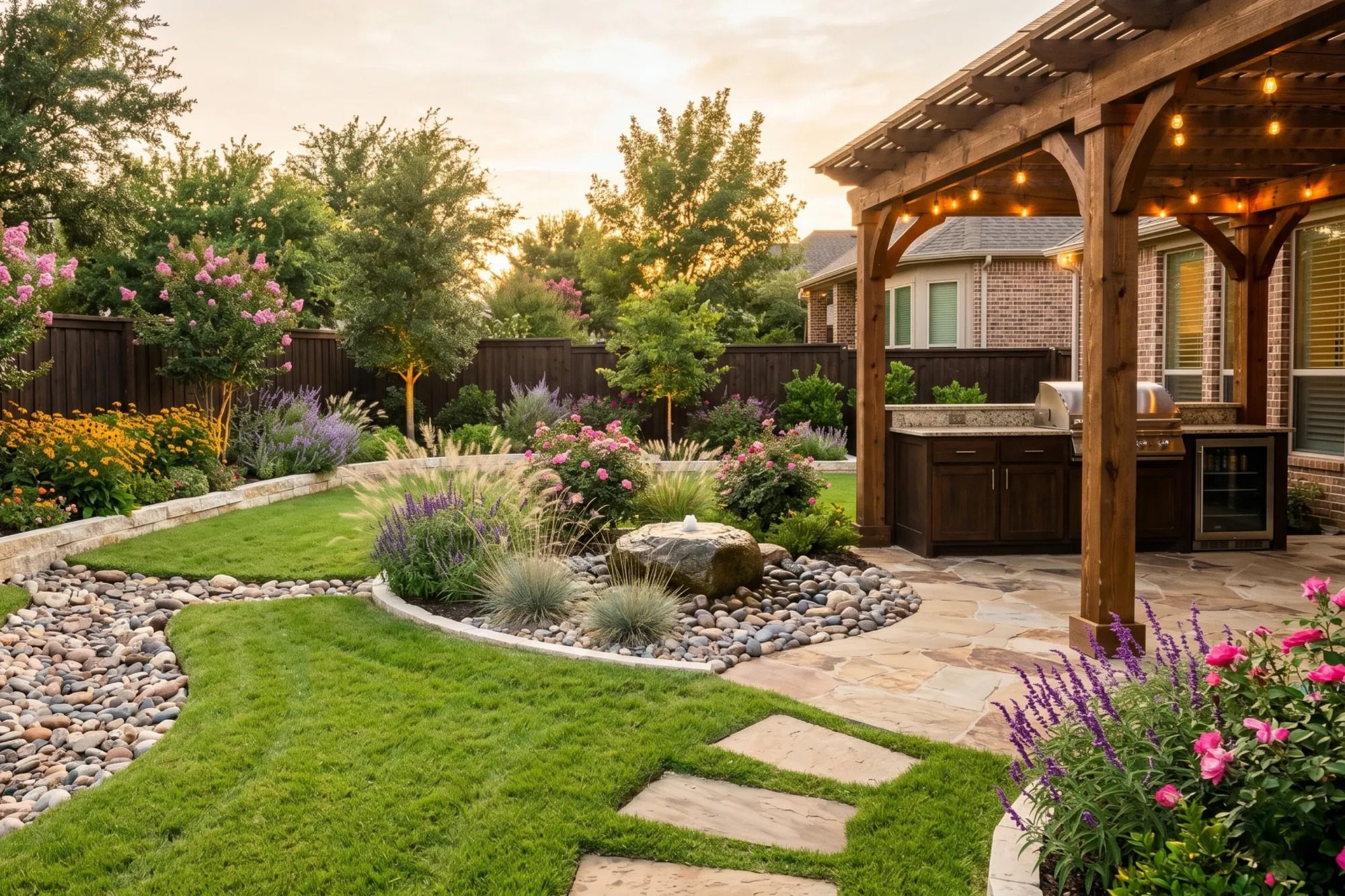
- The outdoor living spot. This is the anchor, where people gather. A patio is usually the foundation; size it for the furniture before you pour it, so it doesn't feel cramped the day the table shows up. A pergola gives you shade and a "room" without walls, and it's one of the best additions for our afternoon sun. Cook outside a lot? A built-in outdoor kitchen changes how the whole yard gets used. Want the season to stretch into spring and fall nights? A fire pit or fireplace pulls people in. And if you've got a pool, a pool house or cabana adds shade and a place to change.
- The hardscape. This is the framework everything else sits on. It's the stone and pavers under your feet and the walkways that guide you through. It's the retaining walls that turn a slope into usable space, and the steps between levels. Done well, hardscape disappears into the design. The trick is matching the materials so it reads as one piece, not a yard sale of surfaces.
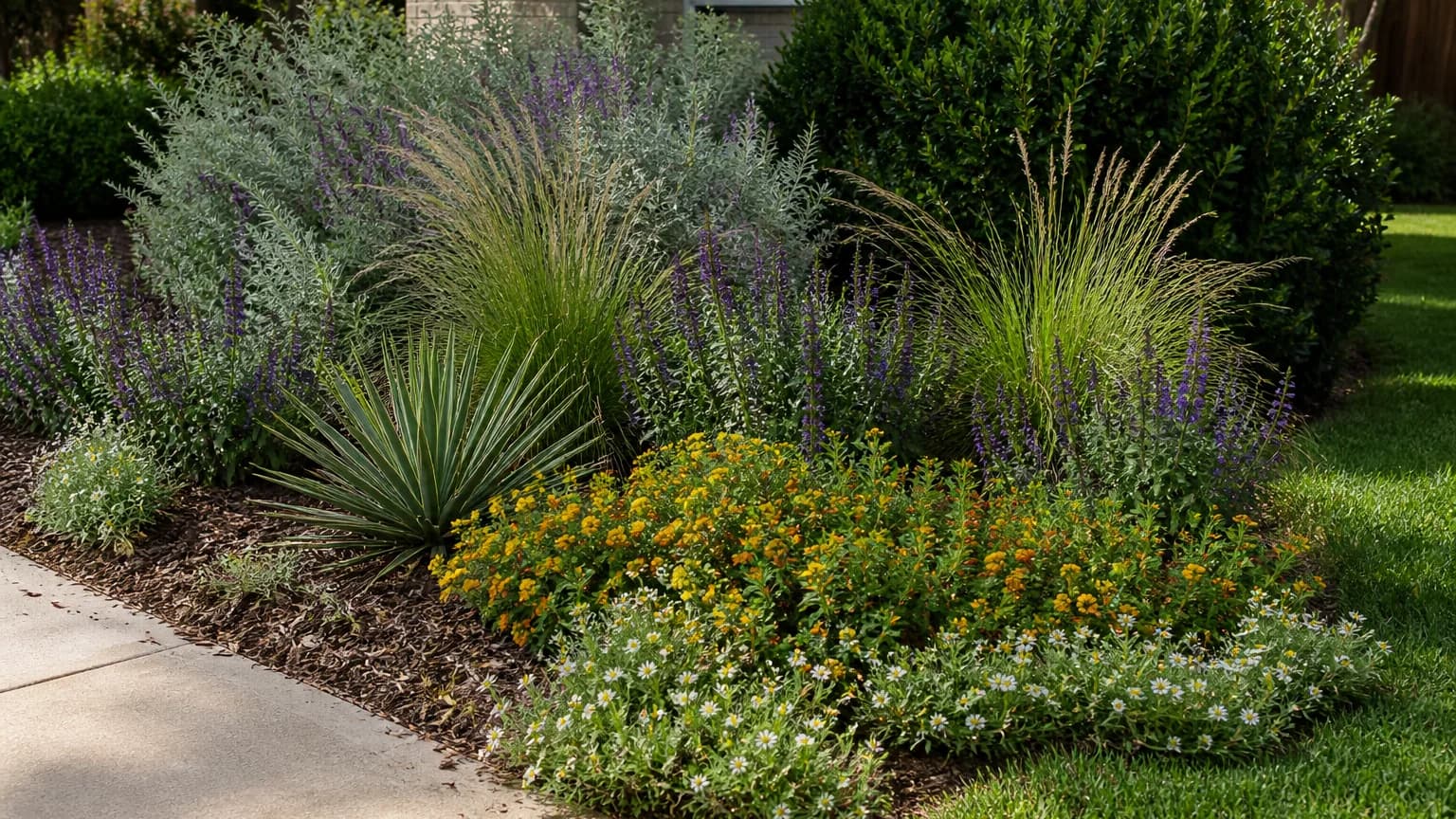
- The plants. These are what make a yard feel alive. They soften the hard edges and bring color, shade, and privacy. In North Texas, the ones that look good and hold up are built for our heat and clay. Lean on drought-tolerant plants as your anchors, then layer for depth: a shade tree up top, smaller trees and shrubs under it, perennials and grasses for color, groundcover to finish the beds. Plant in groups, not single file, so it reads as design and not filler.
- The lighting. Most people skip it, and it's the difference between a yard that goes dark at sunset and one that's at its best after it. Good landscape lighting mixes a few simple moves. Low lights line the paths for safety. Uplights at the base of a big tree add drama. Soft light from up in the branches mimics moonlight. Warm string lights over a patio make people want to linger. Keep the bulbs warm, not the cool white that looks like a parking lot.
- The water. This is the finishing touch. Moving water is what tips a nice yard into a retreat. The sound covers traffic and neighbors, and it draws birds. A water feature can be as simple as a bubbling boulder over a hidden basin. Or as full as a pondless waterfall. Both keep the water moving, so there's no open standing water for mosquitoes to breed in. Scale it to the yard: too small and it's lost, too big and it takes over.
What a North Texas yard demands
An oasis only works if it's comfortable, and our climate doesn't make that automatic. A few things matter more here than the design magazines let on.
- Plan for the afternoon sun. West- and southwest-facing patios bake from May through September. Plan the shade before you fall in love with the spot. A pergola, a shade sail, or a well-placed tree can decide whether you use that patio or avoid it.
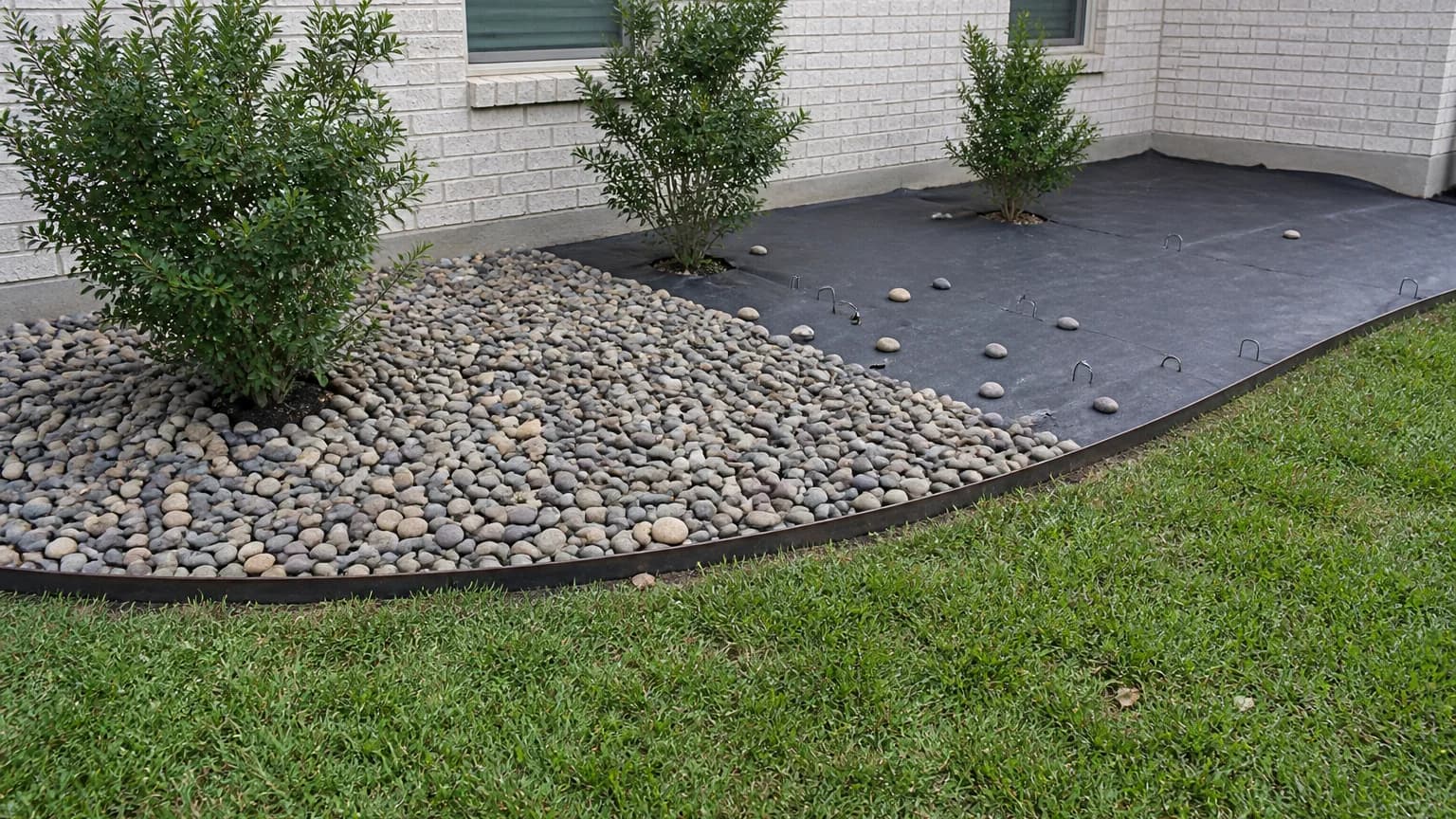
- Get the water moving. Our clay soil holds water and drains slowly, so a low spot can stay soggy for days. Plan drainage during the hardscape phase, not after a problem shows up. And a smart sprinkler system waters each zone for what it actually needs, which keeps plants alive and your bill down.
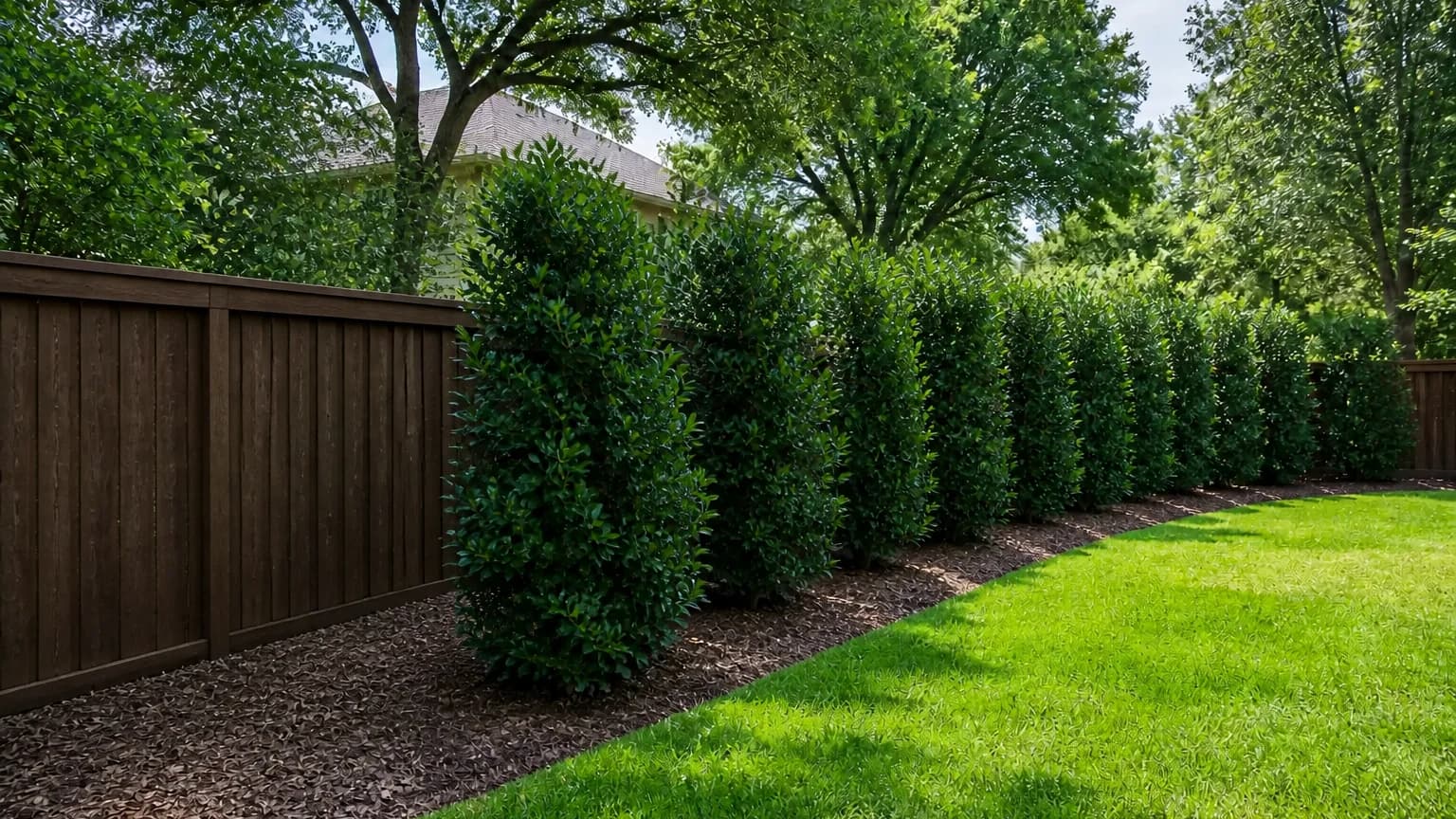
- Build in privacy. An oasis stops feeling like one when the neighbors are right there. The strongest screens are layered: a fence for the base, evergreens to soften it and soak up sound, and something overhead to block the view from second-story windows. Landscaping for privacy does more for the "escape" feeling than almost anything else.
When to bring in a designer
You can handle plenty of this yourself — swapping plants, adding a fire pit, refreshing the mulch. Where a plan earns its keep is the stuff that's expensive to redo. It's worth bringing in help when:
- You're starting from a blank or tired yard and want it to come together, not look assembled.
- The work involves grading, drainage, structural hardscape, or wiring for lights — the things that cost the most to fix later.
- You keep adding pieces and the yard still doesn't feel finished, because there was never one plan tying it together.
That's the whole point of landscape design: one plan that accounts for the grade, the drainage, the sun, and how the plants will fill in — so you build it once. Want a plan for your yard? Get a free quote.
You don't need a big yard or a big budget
The plan matters more than the price tag. A small yard done with intent beats a big one full of mismatched features. Two things make an oasis work on a budget:
- Build to a master plan, then phase it. Draw the whole thing first, even if you build it over two or three seasons. Phasing toward a plan keeps each step pointed at the same finished yard. Adding pieces without a plan is what costs more in the long run.
- Spend on the bones, save on the extras. The first dollars should go to the pieces you feel every day — a right-sized patio, a single strong focal point, layered drought-tolerant plants, and basic lighting. The high-end add-ons can wait until the framework is in.
Small yards have an advantage, too. A 20-by-30-foot space can carry one good patio with a pergola, a tucked-in water feature, layered privacy plants, and warm lighting. Trying to cram a full kitchen, a fire pit, and a pond into that same space just clutters it. Fewer pieces, chosen well, read as calm — which is the whole idea.