
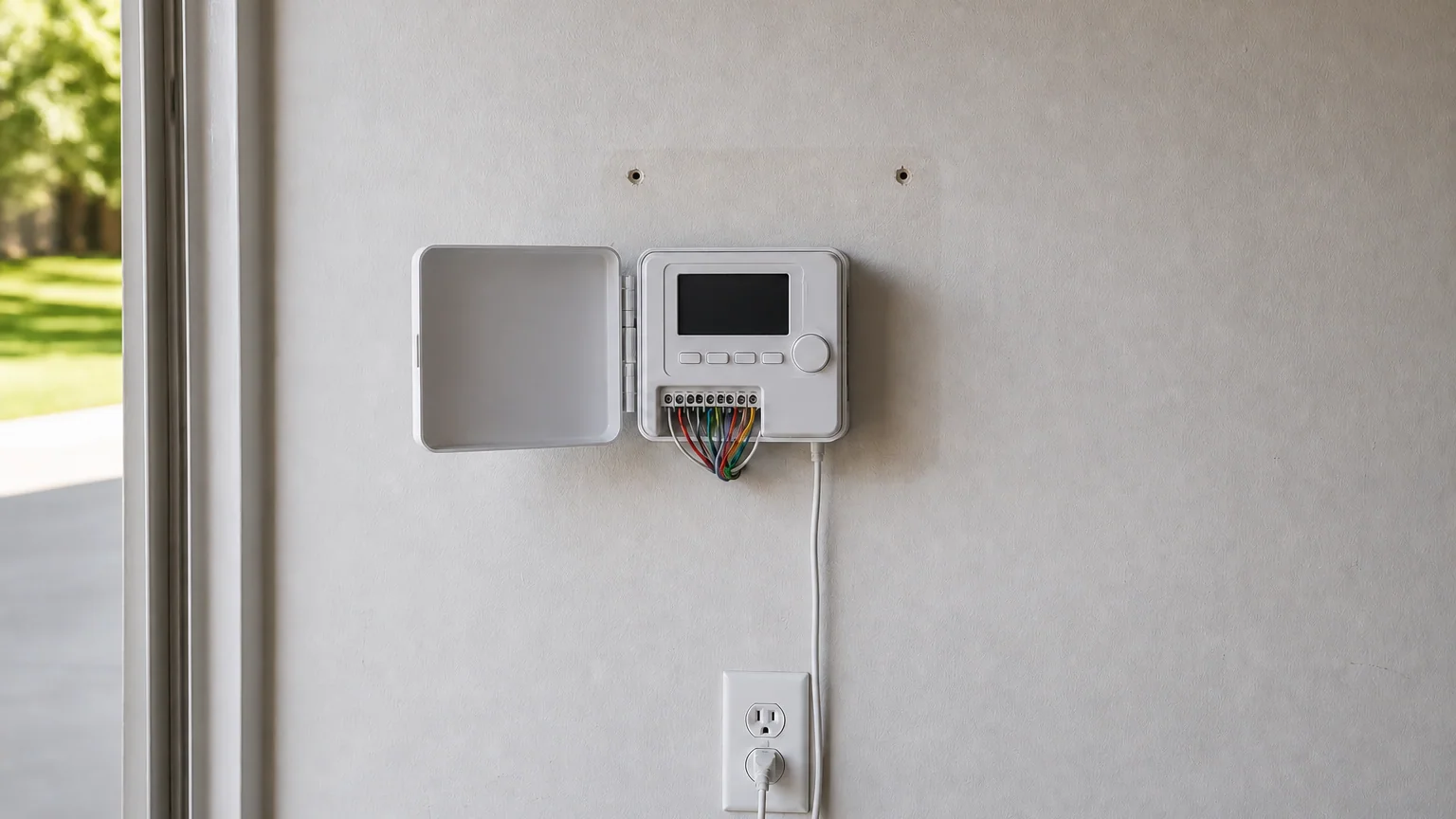
What makes a sprinkler "smart"
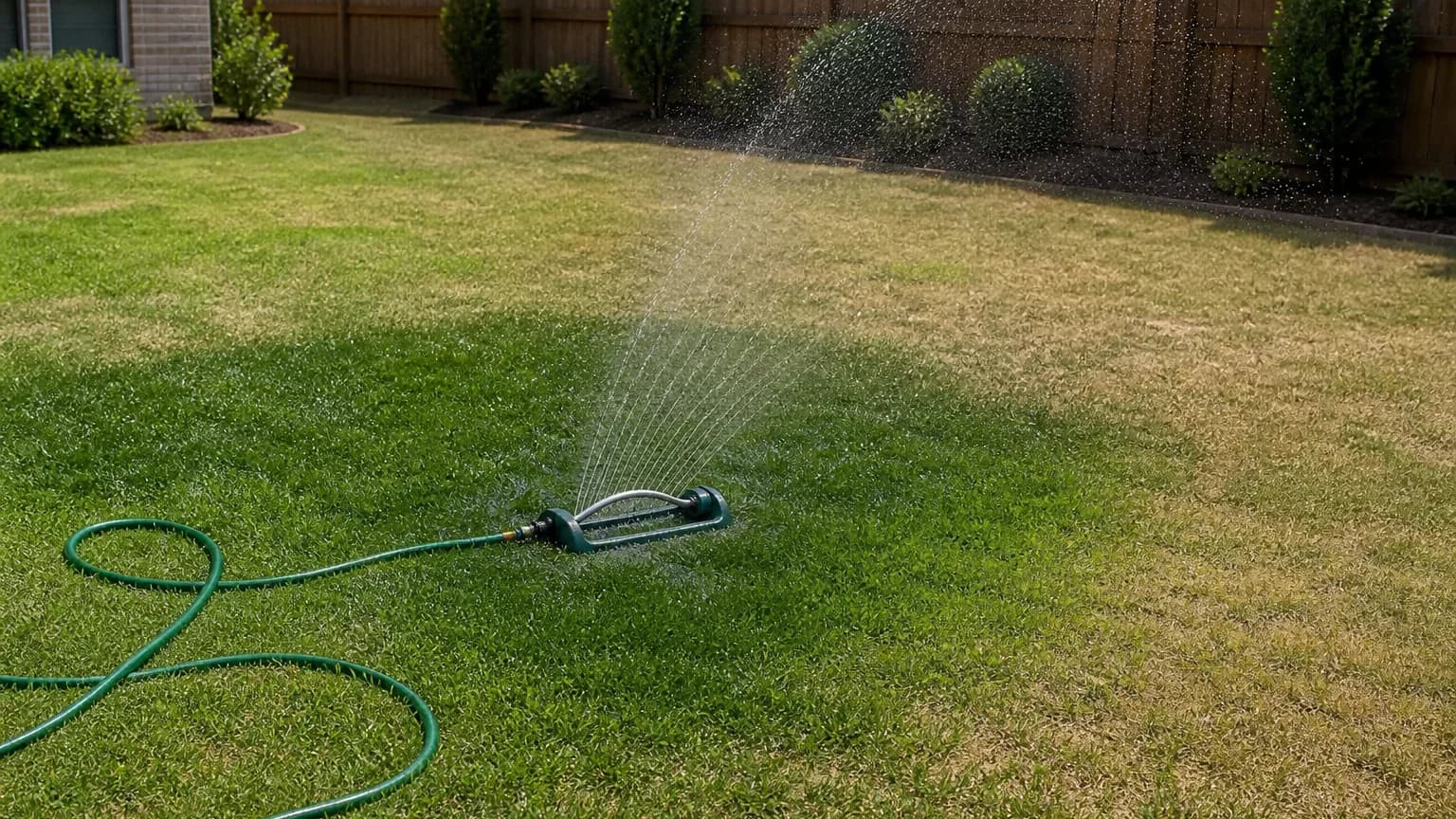
The difference between a smart irrigation system and a plain one is the brain, not the pipes. A plain timer does one thing. It runs each zone for a set time on set days. It has no idea whether it rained last night or whether the ground is already soaked. It just waters. A smart controller pays attention. It pulls in local weather, reads sensors in your yard, and adjusts on its own.
Here's what that looks like day to day:
- It waters off the weather. The controller checks the local forecast and recent rain. If a storm is coming or just passed, it holds off. No more heads running in the middle of a downpour.
- It reads your soil. A soil or rain sensor tells the system how wet the ground really is. The lawn gets water when it's actually dry, not on a fixed day no matter what.
- You run it from your phone. A wifi controller pairs with an app. You can check the schedule, start a zone, or shut it all down from anywhere. Many also take voice commands.
- Every zone gets its own plan. Turf, flower beds, shrubs, and trees all drink differently. A smart controller waters each one on its own schedule instead of one blanket setting.
- It tells you what it's doing. Most send water-use reports and flag trouble, like a zone stuck on or a likely leak, before it turns into a brown patch or a high bill.
Strip it down and a smart controller does the one thing a timer can't. It makes the watering decision for you, off real information, every day.
Why this fits North Texas
A smart controller earns its keep faster here than it would in a mild climate. A few local reasons:
- Our summer punishes a bad schedule. By July, afternoons regularly hit 100°F. A fixed timer either underwaters and lets the lawn brown, or overwaters and invites fungus. A smart controller reacts to the heat instead of guessing at it.
- The watering rules are made for it. Many DFW cities limit lawn watering to set days, and sometimes set hours. You set your allowed days once, and a smart controller stays inside them — no standing in the yard at sunup to beat the cutoff.
- It stops the storm-watering waste. We get heavy downpours between dry spells. A plain timer waters right through them. A smart one sees the rain and skips, and that's where a lot of the local savings come from.
- Clay soil likes the way it waters. Our heavy clay can't take water fast, so a long run just runs off. A smart controller can split a watering into shorter bursts, so the clay soaks it up instead of sending it down the gutter.
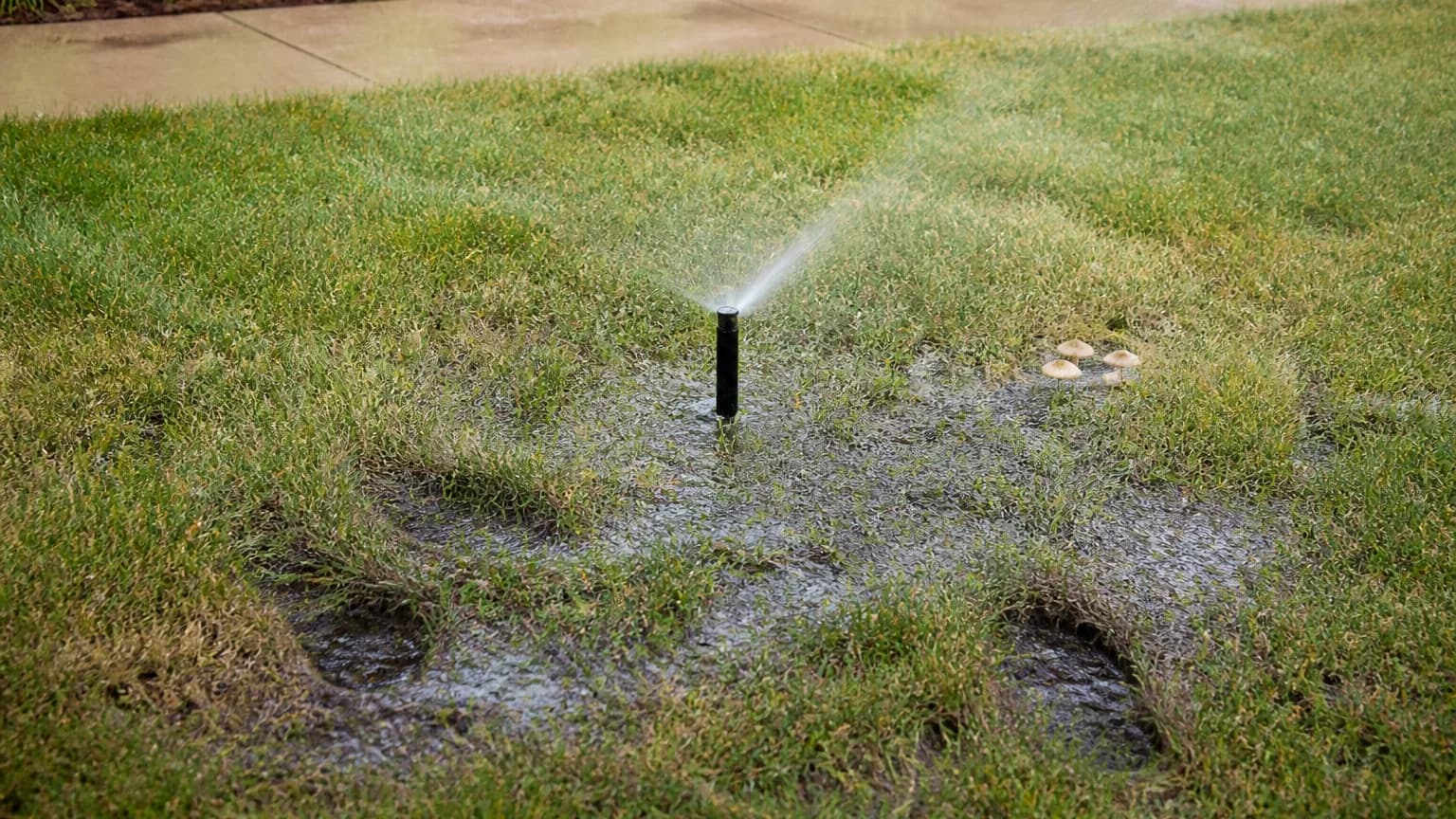
If your yard also pools after a storm, that standing water throws off the soil sensors. Good drainage and smart watering work together: one keeps water moving off the yard, the other keeps you from adding more than the ground can take.
It's usually just a smart controller upgrade
The biggest myth about smart sprinklers is that you have to rip out the whole system and start over. In most yards, you don't. The smart part is the controller — the timer box. Everything underground, the pipes, valves, and heads, usually stays right where it is. You're swapping the brain, not the body.
A typical upgrade goes like this:
- Look over the existing system. Someone checks your zones, your valves, and your water pressure to confirm the system is sound and a smart controller will fit it.
- Swap in the controller. The old timer comes out. The smart one wires into the same valves and joins your home wifi.
- Add the sensors. A rain or soil sensor goes in where it'll read the yard well.
- Program the zones. Each zone gets set for its plants, its sun, and the clay underneath. This is the step that makes or breaks the savings.
- Set up the app. You get shown how to check the schedule, adjust a zone, and read the reports.
Because the underground parts stay put, the upgrade costs far less than a new system. If the current system has problems first, like leaks, dead zones, or patchy coverage, those get sorted out before the swap. A smart brain can't fix a cracked pipe.
Is it worth upgrading?
A smart controller isn't magic, and not every yard needs one tomorrow. Here's the honest read.
It's worth it if:
- You already have an in-ground system on an old timer. The upgrade is cheap, since only the controller changes.
- You're forever adjusting the timer by hand, or forgetting to.
- Your summer water bill stings, and you suspect you're watering more than the lawn needs.
- You travel, or you'd just rather not think about the sprinklers.
You can probably wait if:
- You don't have an in-ground system yet. Then the real question is whether to put one in at all — our guide on whether a sprinkler system is worth it covers that first.
- Your current controller is fairly new and already does weather-based skips. Some do. Check before you buy another one.
For most homeowners with an older timer, there isn't much to pay back, since only the controller changes. The lower water bills chip away at it. How fast depends on your yard and how you water now, so the only honest number comes from a look at your setup.