
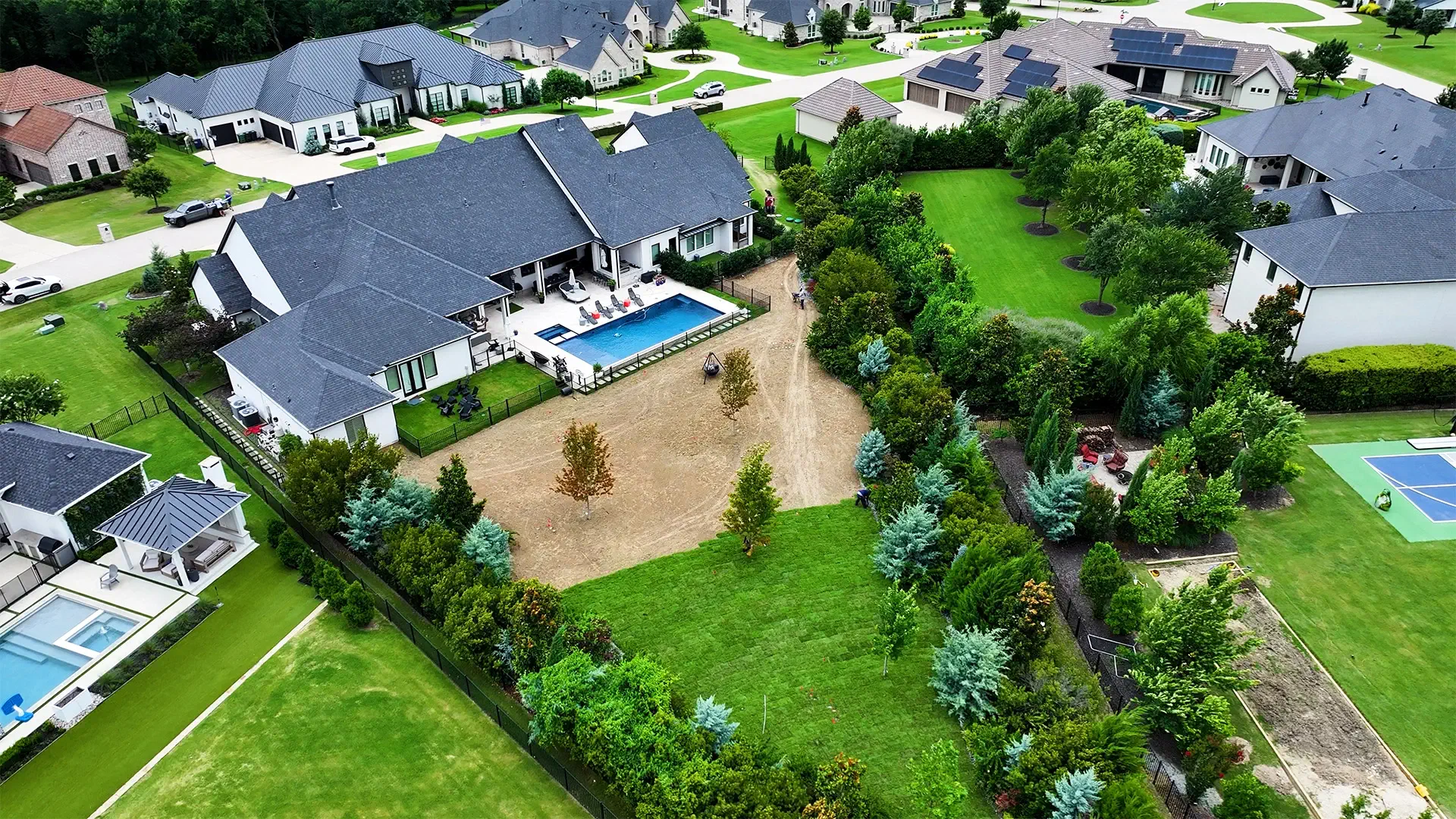
Why sod, and not seed
Seed is cheaper, but in North Texas clay it's a slow, patchy bet. It takes weeks to come up, washes out in a hard spring rain, and feeds the birds along the way. While it's filling in, weeds like crabgrass move into the bare ground first.
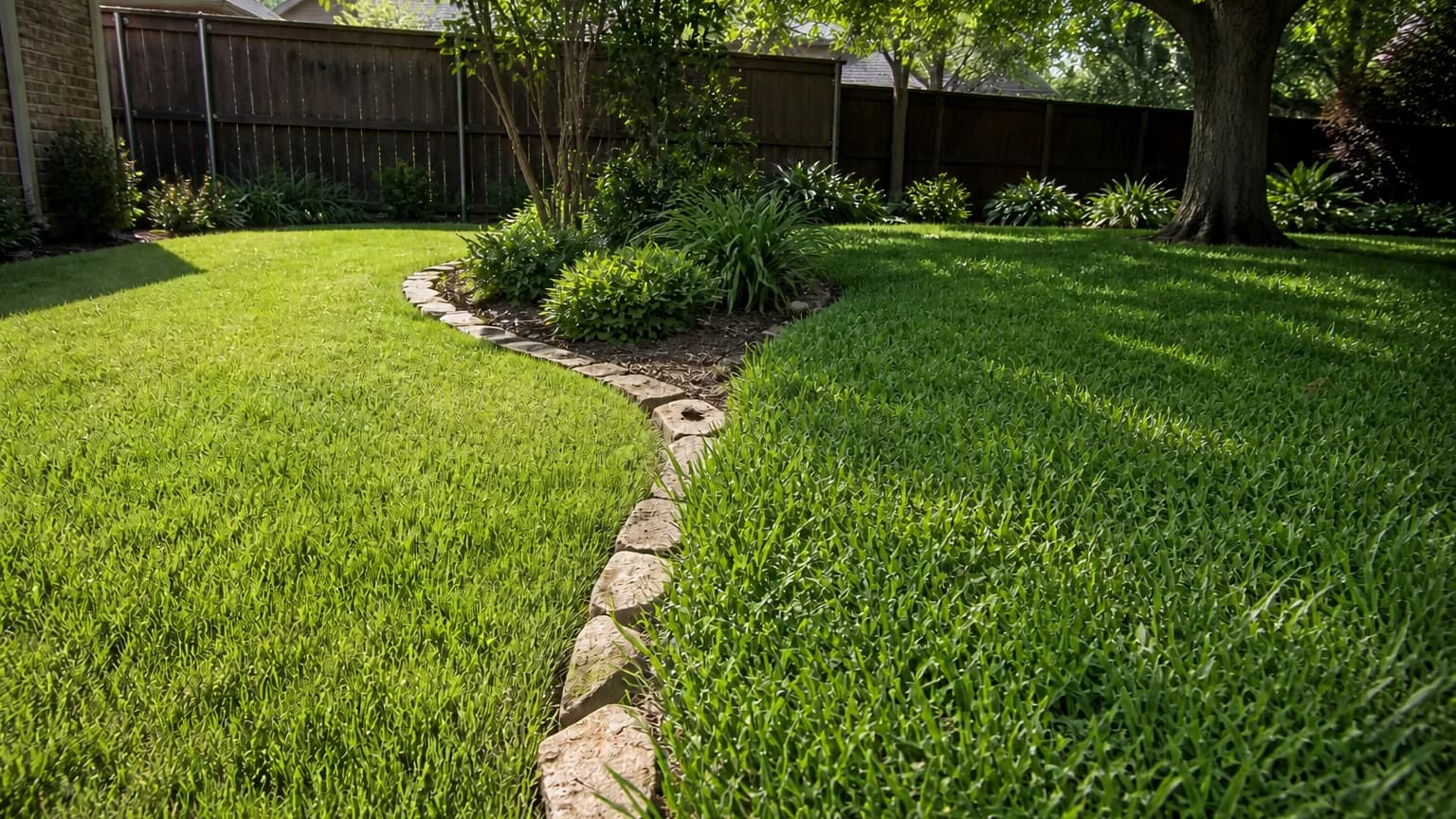
Sod skips all of that. It shows up as a mature grass carpet that covers the soil from day one. That instant cover crowds weeds out, holds loose dirt in place on a slope, and stands up to the heavy rains we get. For a new-construction lot, a sloped yard, or a lawn you want finished now, sod is usually the only real answer.
The catch is the one this whole guide is about: sod only roots if the ground under it is ready and the water is steady. Seed forgives a rough start. Sod doesn't.
First, pick the grass — then read on
This guide is about getting sod in the ground and rooted. Which grass to put down is its own decision, and it comes before everything here.
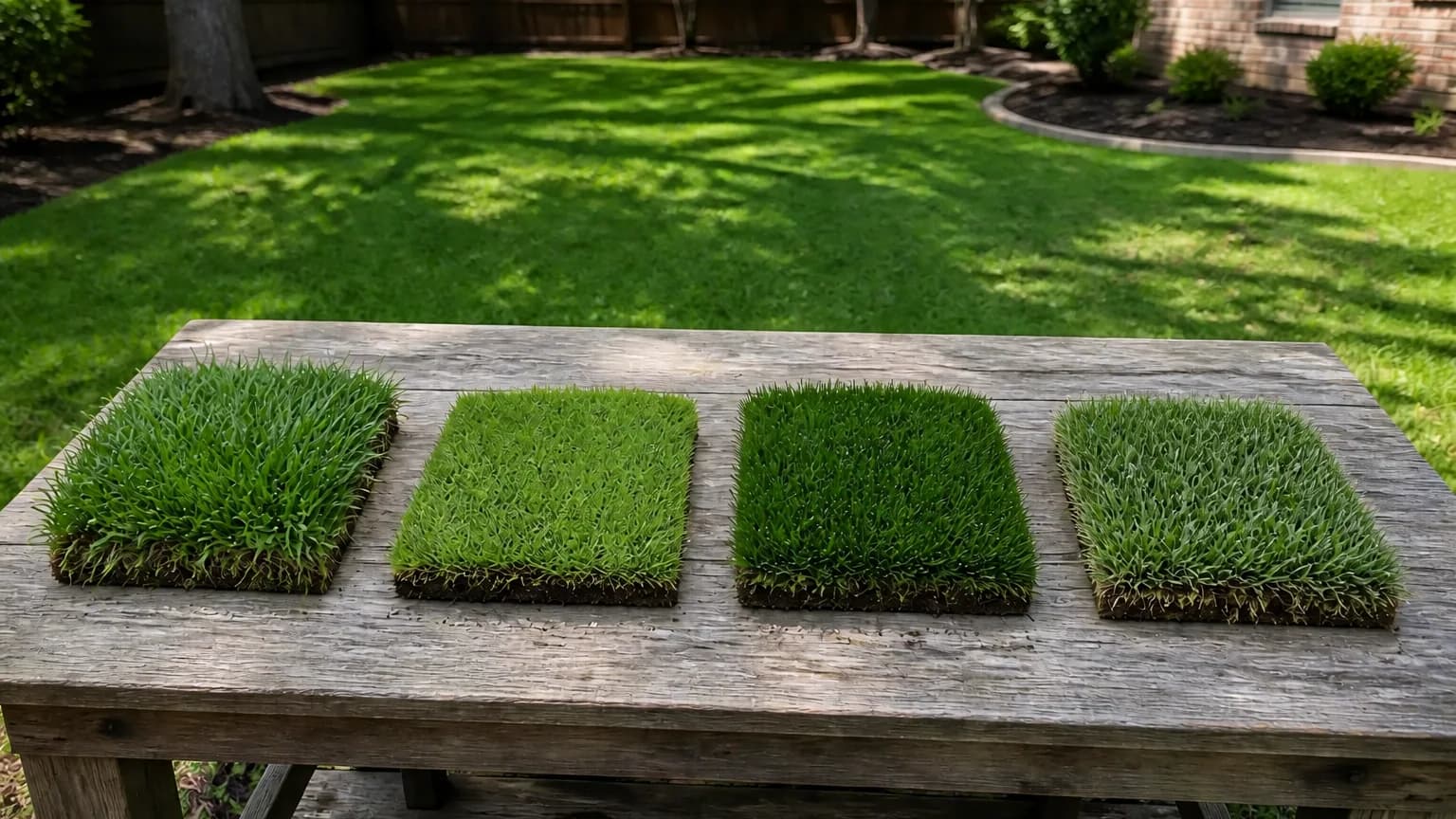
The short version: match the grass to your sun. Full-sun yards lean Bermuda or Zoysia; shadier yards lean St. Augustine. Our guide to the 8 best grass types for Colleyville lawns walks through all of them and how to measure your sun. If you've already narrowed it to two, our Zoysia vs. St. Augustine breakdown puts them head to head. Pick the grass first, then come back for the install.
The best time to lay sod in North Texas
Warm-season grass roots best when the soil sits between about 65 and 90 degrees. That leaves two good windows here.
- Late April through early June is the strongest. The frost risk is gone, the soil has warmed, and the sod has weeks to root deep before the triple-digit July heat lands.
- September through early October is the second. The worst heat has broken, but the soil stays warm enough to push roots before the first freeze.
You can lay sod in summer, but it fights you — peak July and August heat can cook new sod before it roots, so it takes heavy watering and a close eye. Winter is the one to avoid. Dormant sod on cold soil doesn't root, so seams shift, gaps open, and more of it fails.
How the install actually goes
A real sod job is a sequence, and skipping a step shows up later as thin spots, lifted edges, or a soggy low corner. On most yards it runs over about two days.
- Check the soil. A quick test for pH and nutrients tells you what the dirt needs before anything goes down.
- Clear it out. Strip the old turf, weeds, and debris down to clean soil.
- Grade it. Level the surface and set the slope so water runs away from the house, not toward it. This is also when low spots get filled so the lawn sits even.
- Build the bed. Till two to three inches of compost or good topsoil into the top four to six inches of that clay, then lay down a starter fertilizer.
- Lay the sod. Rolls go down in a staggered, brick-like pattern with tight seams, starting from a straight edge like a driveway or walkway.
- Roll and water. A lawn roller presses the sod into firm contact with the soil so roots can reach down. Then it gets a deep soak right away — within about half an hour, and sooner on a hot, windy day so the edges don't dry out.
Done in that order, the lawn has everything it needs to take. Done out of order — or with a step skipped to save a day — is where most failures start.
What drives the price
Nobody can put a real number on a yard they haven't seen. But here's what moves it. Square footage sets the floor: a bigger yard means more sod and more labor. After that, the prep is the biggest swing. A bare lot costs less than a yard that has to be stripped first. A low, wet, or sloped yard needs grading and drainage work that a flat, dry one doesn't. The grass matters too. Bermuda sod runs cheaper than premium Zoysia, a gap the grass-types guide lays out. And a backyard a truck can't reach means hauling pallets by hand, which adds hours. The honest way to read a quote is to have it itemized, so every part of the job is broken out.
What Colleyville soil does to a sod job
Two North Texas facts make the prep matter more here than in a lot of places.
First, the soil is clay. It drains slowly, holds water after a storm, then bakes hard and cracks in the heat. Lay sod straight onto raw, compacted clay and the roots get trapped in a thin layer up top. They never reach the soil below, so the lawn stays shallow and stressed from year one. That's why tilling in compost and breaking up the top few inches isn't optional. If water already pools after a rain, fix the drainage before the sod goes down, not after. Grading and a real outlet are far easier on bare dirt than under a rooted lawn.
Second, new sod can't live on a broken sprinkler. It needs steady water for its first month, more than a hose dragged around the yard can keep up with. Check your sprinkler coverage before install day — adjusting or adding heads is simple before the sod arrives and a real dig-up after.
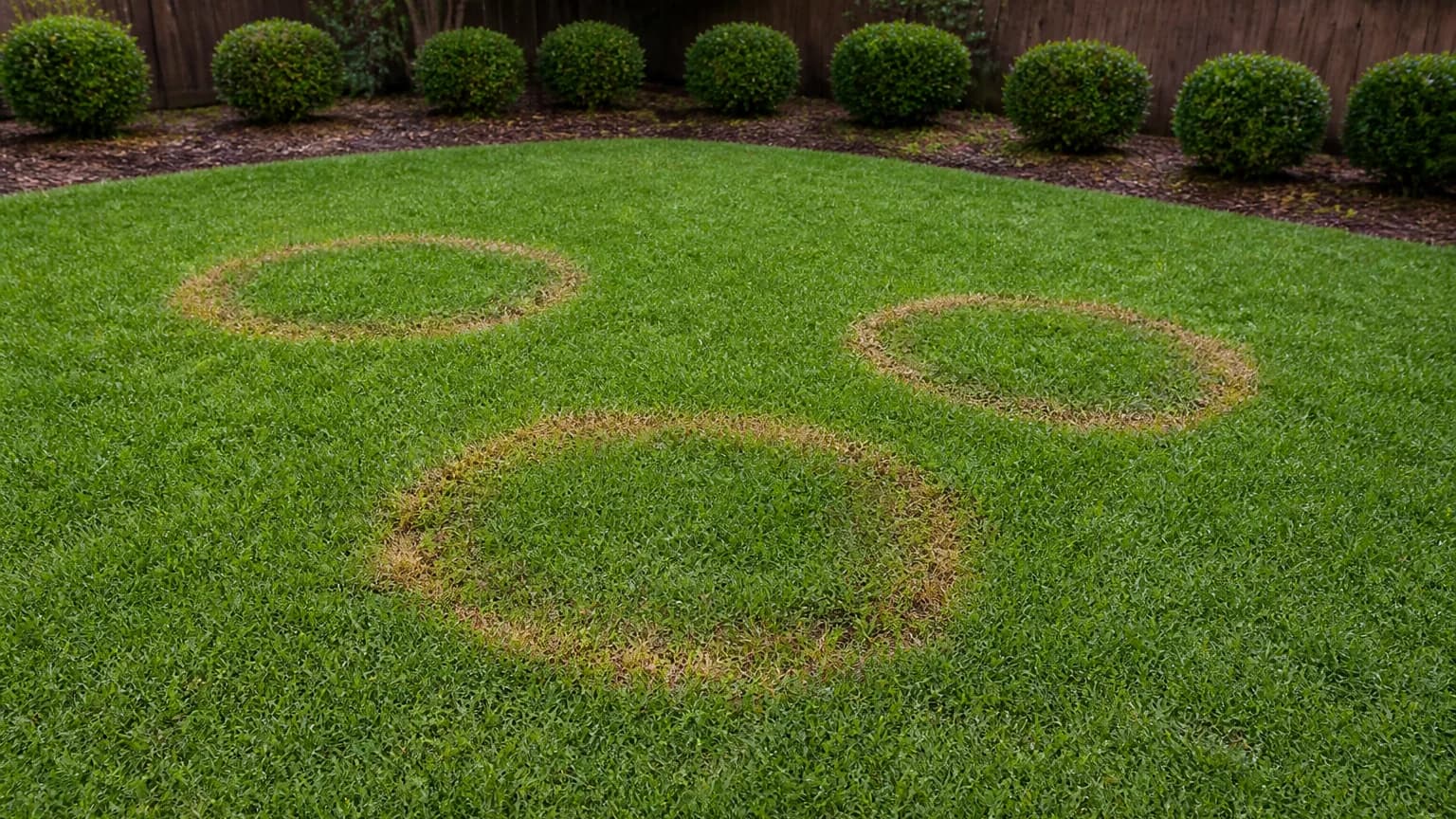
Our warm-season grasses also go brown and dormant every winter, then green back up in spring. If you're tempted to tear out a lawn that looks dead in February, check first — it may just be dormant. Our guide on brown patches in your lawn has the simple tug test, and it can save you the cost of re-sodding a lawn that was only sleeping.
One more thing to handle up front: if your neighborhood has an HOA, take a look at its lawn and turf rules before you order sod. A full re-sod is a visible change to the yard, and some Colleyville-area associations weigh in on it. It's easier to read those rules before you order the pallets than to hear about them after.
When to do it yourself, and when to call
A small, flat, easy-to-reach yard is a fair DIY weekend for a handy homeowner. A rough line: once you're past a small patch and into a full yard, the pallet weight and the grading are what catch most DIY weekends. Most Colleyville yards aren't that simple, and a failed install usually costs more than doing it right the first time.
Here's where a pro earns it:
- The grading and drainage need real work. Setting the slope, filling low spots, and tying drainage to an outlet takes tools — laser levels, tillers, rollers — most homeowners don't own and can't rent cheaply for one job.
- The yard is big, sloped, or hard to reach. Pallets that equipment can't get to mean hauling sod by hand, and a slope that's graded wrong erodes the first season.
- Irrigation or drainage is part of the project. Doing the sprinkler and drainage work in the same sequence as the sod is what keeps you from digging up a new lawn a month later.
- You want fresh sod, not pallet-baked sod. Sod cut within a day of going down roots far better than rolls that sat in a parking lot in the heat. A crew sources it fresh and lays it the same day.
A sod installer handles that as one job: old-lawn removal, grading, the install, and a watering plan for the first month. We don't lay sod. What we do is the groundwork underneath it — if your yard pools after a storm, or the sprinklers miss a corner, we fix drainage and sprinkler coverage. Both are far easier before the sod goes down than after. Get a free quote.