
What summer prep actually does
A lawn in summer is trying to do two jobs at once: stay cool and hold water. Everything on this list helps it do one or both. None of it is complicated. It just has to happen before the heat, because heat turns small problems into expensive ones.
Raise the mowing height
This is the highest-payoff move, and it costs nothing. Taller grass shades its own soil. Shaded soil stays cooler and holds water longer, and the grass grows deeper roots to match. Short-cut grass bakes — the soil dries out fast and the roots stay shallow.
Set the deck higher before summer, by grass type:
- Bermuda — fine, dense blades; raise to about 2 to 2.5 inches for summer.
- St. Augustine — broad flat blades that spread by runners; keep it tall, around 3.5 to 4 inches.
- Zoysia — fine and carpet-like; hold around 2 inches.
- Tall fescue — the cool-season holdout here; keep it at its full 3.5 to 4 inches to shade the roots.
One rule matters more than the exact number: never cut off more than a third of the blade in a single mow. Scalping the lawn right before summer is one of the worst things you can do to it. While you're at it, sharpen the mower blade — a dull one tears the grass instead of cutting it, and torn tips brown out and lose water faster in the heat.
Still not sure which grass you have, or thinking about a change? Our guide to the best grass types for Colleyville lawns walks through it.
Change how you water
Summer is not the time for a quick daily sprinkle. Light, frequent watering keeps the roots near the surface, which is exactly where the heat is worst. Switch to deep and infrequent. Most Colleyville lawns want about 1 to 1.5 inches of water a week. Split it into two or three soakings, run early in the morning so less burns off.
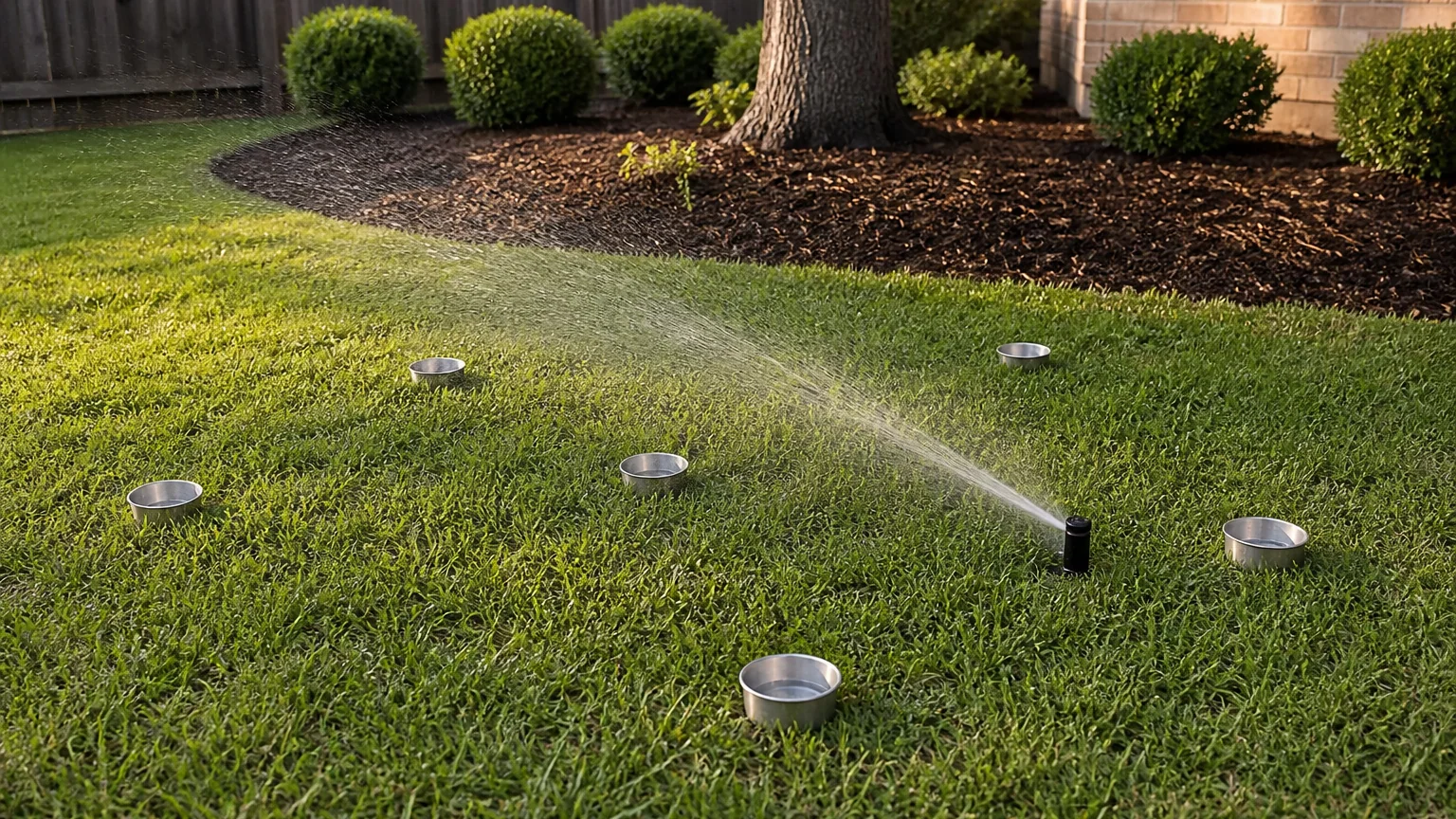
Not sure you're hitting that much? Set a few empty tuna cans out on the grass while the sprinklers run. When they're full, you've put down about an inch. It's the cheapest way to see what your system actually delivers.
That's the short version — getting the depth and timing right is most of the battle, and our irrigation services page covers how to dial it in. Still on a hose and tired of it by July? Whether a sprinkler system is worth it lays out the trade-offs.
Check the sprinkler system before you need it
A sprinkler problem in April is a quick fix. The same problem in July is a dead strip of lawn. Before the heat, run every zone and watch it work:
- Look for heads that are blocked, broken, tilted, or spraying the driveway instead of the grass.
- Watch for soggy spots, which point to a leak or a stuck valve.
- Reset the timer for summer — fewer, longer cycles, early morning.
Catching a coverage gap now is easy. Finding it later means the lawn already told you, in brown.
Mulch the beds and around the trees
Mulch is cheap insurance against heat. A two- to three-inch layer over your beds and around tree bases keeps the soil cooler, holds moisture in, and slows the weeds down. Refresh it before summer, not after the soil has already dried out. While you're at it, give established trees a long, slow soak out at the edge of the canopy, not against the trunk — they pull more water than people think.
Fix thin and bare spots now
Bare patches don't hold still in summer. The heat and the weeds widen them, so a small thin spot in May becomes a big one by August. Late spring is the time to close them up, while the grass is still growing enough to fill in. For our warm-season lawns — Bermuda, Zoysia, St. Augustine — that usually means plugs or a small piece of sod, since these grasses spread by runners rather than seed. (Cool-season fescue is the exception, and it's better seeded in the fall.)
Get ahead of weeds
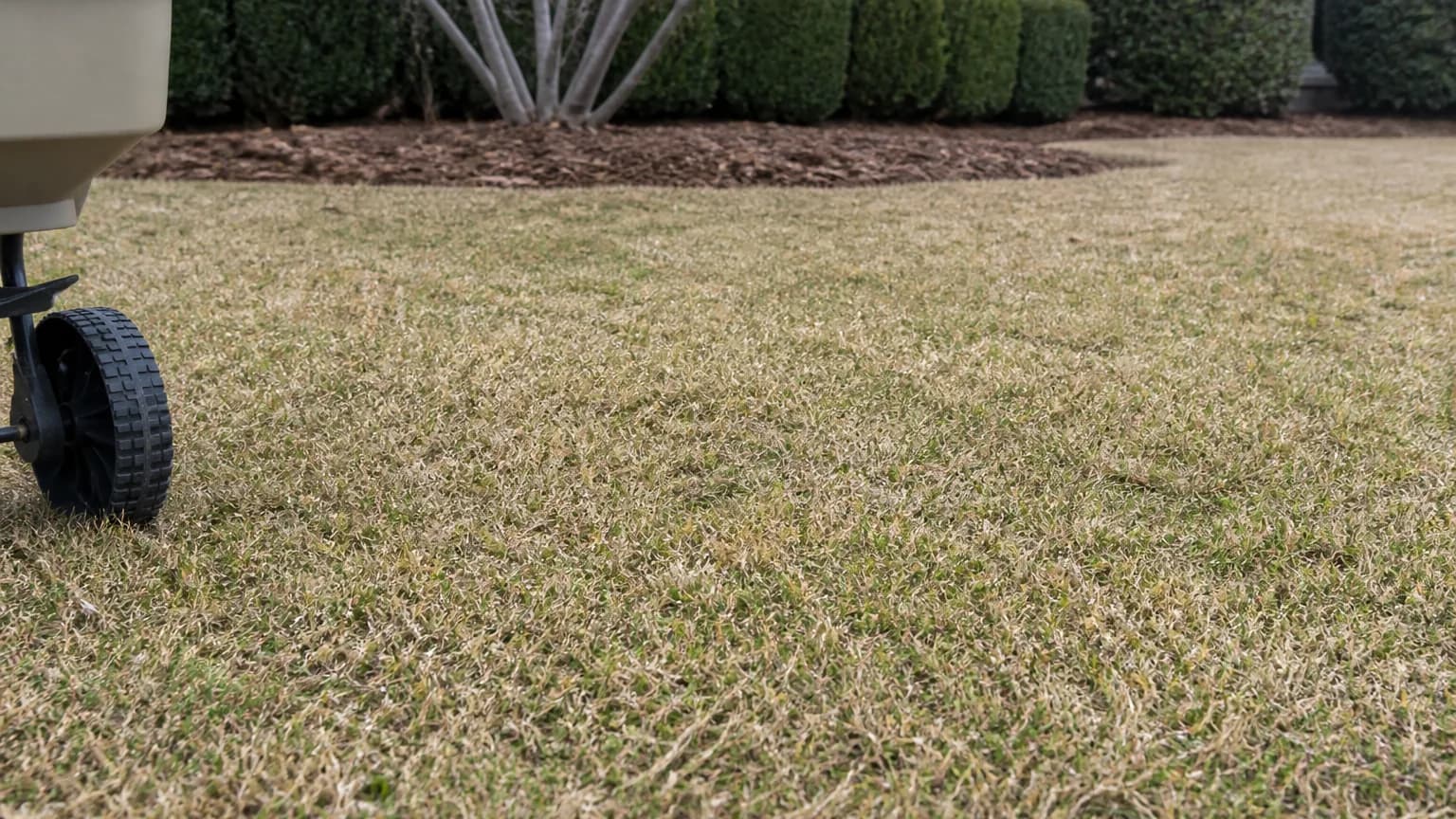
Summer weeds like crabgrass and sandbur sprout when the soil warms up. The only reliable way to stop them is a pre-emergent, applied before they come up — which means timing is everything. If you put one down in late winter, the second pass is usually due in late April or early May. Our pre-emergent weed control guide covers the windows for North Texas.
Feed before the heat, not during it
Grass uses a spring feeding to build the roots and density it leans on all summer. Time it for late spring, before the worst heat. Don't fertilize once the days sit above 90°F — heavy nitrogen on a hot lawn pushes weak growth and can burn it.
A note on aeration: late spring, while warm-season grass is growing, is the right time to aerate compacted clay — and a lot of Colleyville soil qualifies. Skip it once the lawn is under heat stress.
Why Colleyville summers are their own problem
Summer lawn care advice written for the whole country doesn't fit here. A few North Texas realities change the math:
- The heat sits. Daytime highs cross 95°F by mid-June, and stretches above 100°F run for weeks. The soil bakes hard, and an unprepared lawn loses ground faster than it can recover.
- The soil is clay. Our heavy clay cracks and turns to concrete when it dries. It also sheds water if you pour it on too fast — another reason deep, slow watering beats a quick blast.
- Water gets restricted. Many DFW cities cap summer watering at two days a week. That changes the plan: if you're limited to two days, make each one a deeper soak so you still hit the weekly total. Look up "[your city] watering restrictions" or check your water provider's site before you set the timer.
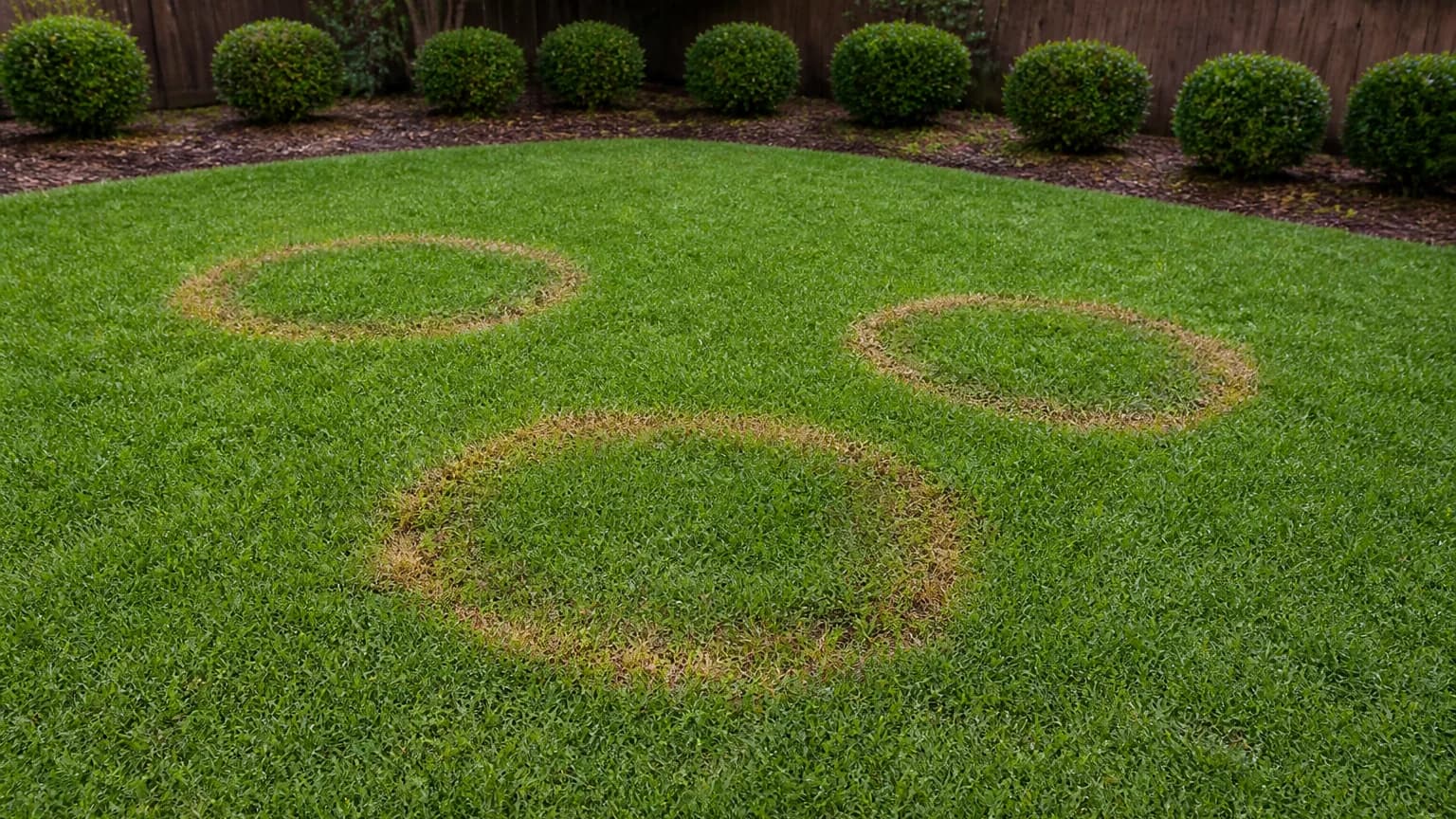
- Humid nights breed fungus. When overnight lows stay above 70°F and the grass stays damp, lawn diseases like brown patch get going, especially in St. Augustine. They flare worst where warm nights meet lingering moisture. Watering in the morning — so the grass dries during the day — is the simplest defense.
If patches start turning brown despite all this, don't guess at it. Brown grass has several different causes, and the wrong fix makes most of them worse. Our guide on why there are brown patches in your lawn walks through reading the pattern before you treat it.
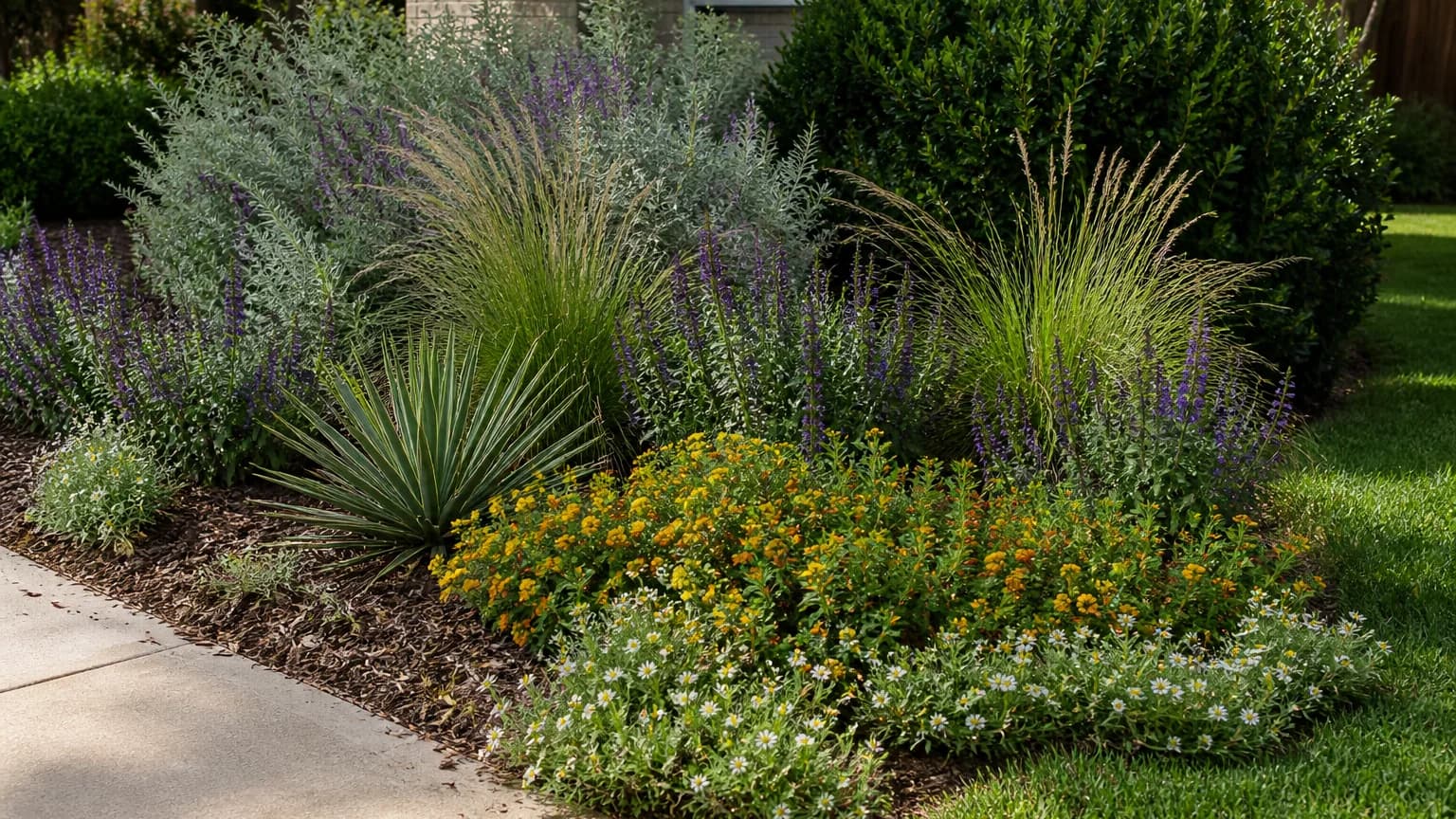
For beds, the heat is a good reason to lean on plants that actually want it. Swapping thirsty annuals for tougher, low-water choices means less watering and less loss. Our list of drought-tolerant plants for North Texas landscaping covers options for every layer of the yard.
When to hand it off
Plenty of summer prep is a weekend's work. Some of it is worth handing off — especially the parts that go wrong quietly:
- The sprinkler audit, if you'd rather know it's right than hope it is. That one is ours.
- The mowing-height and feeding schedule. That is a lawn-care company's job, set up once and run consistently.
- Bare or browning spots you can't pin a cause to. Read the brown-patch guide above before anyone treats anything.
If the watering side of summer prep keeps sliding off the weekend list, that's where we come in. Our irrigation team keeps the biggest summer variable — water — dialed in before the heat arrives. Get a free quote or call us at (817) 701-8920.